


Announcing 38 Award-Winning Black & White Photographers!


I was deeply impressed by the emotional depth and technical mastery displayed across the board. From intimate personal stories to bold, conceptual work, the photographers demonstrated the powerful ability of monochrome to evoke timeless narratives. It was inspiring to see how each artist used the medium to explore complex themes and bring unique perspectives to life. ”


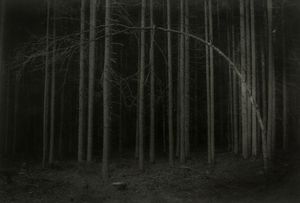
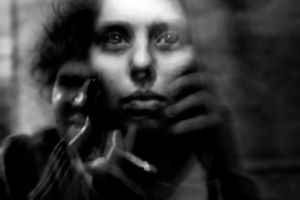
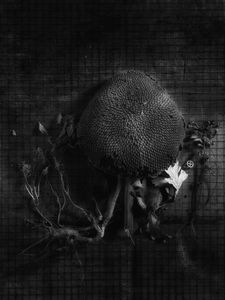
picks
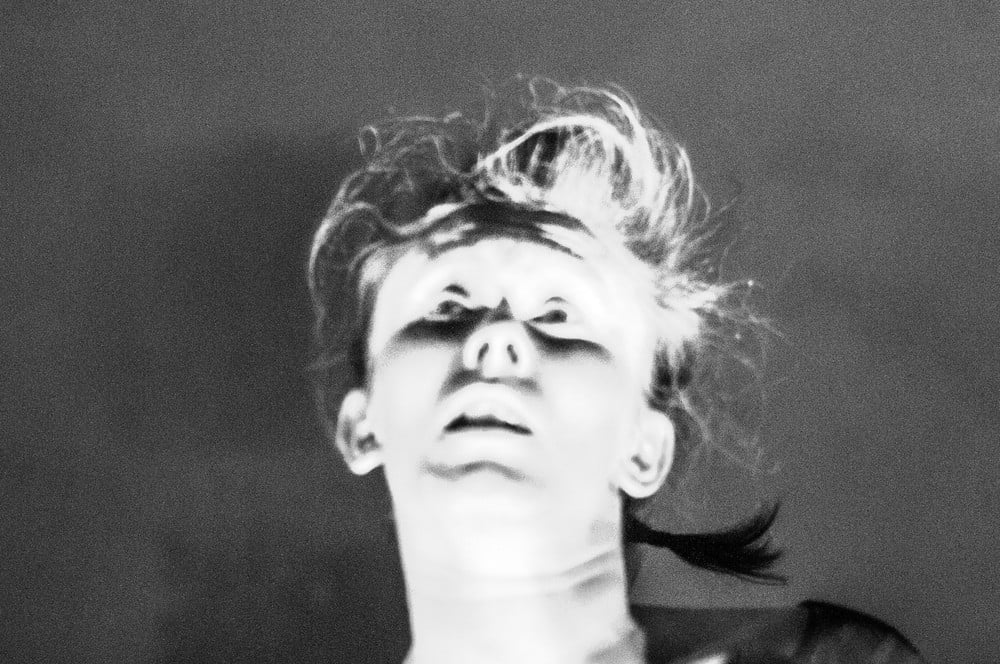
Luiza Kons’ photographs are full of personality, intimacy, humor, and carefree, tender moments. With a snapshot aesthetic, the work comes across as fresh, casual, and real. Kons combines photos that are not bounded by linear storytelling logic, nor are they limited to a specific style of imagery. In fact, it is this jumble of artistic approaches that makes the work feel very real and un-self-conscious. The group of pictures creates a mood and sensibility that feels intimate, random, impromptu and authentic.
In her statement about the project, Kons writes: “The outcome is a chaotic universe bound by strangeness, mistakes, imperfections. In a journey to invent life on our own terms.” Bravo!

Drew Waters' garden is a cultural stage, a theatre where the vices and whims of the bourgeoisie are staged.
A place that narrates the inhabitants of the house and their imagery, the choice of using flash shifts the narrative to a surreal level that allows the viewer to enter deeply into the world of the photographer.

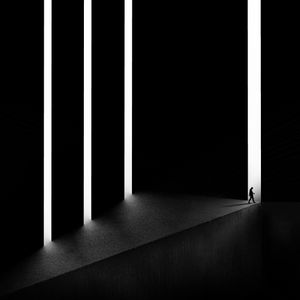
Astrid Verhoef's 'Human/Nature' series is bold and striking, yet lures you in with a sense of curiosity. An anonymous figure (of the artist herself) faces out into a constructed geometric landscape, drawing us towards her own perspective. This gives a sense of who Astrid is as an artist. Working independently, and at scale, to create meticulous still life setups (this is done without AI generated imagery - only basic montages were used when needed), she has balanced each element serenely to create a surreal sense of beauty.

Sangjin Kim is my Juror's pick for his powerful, intimate portrayal of Korean life in Los Angeles. His work offers a nuanced exploration of the complexities of race relations and the struggles of fitting in, while also revealing the communities' internal politics. Kim captures both the beauty and tension of cultural identity in a way that is deeply personal and universally resonant.

Two men. A hand on a shoulder. A gesture.
I feel the touch. I know what it is like when someone else put their hand on my shoulder. Everything in this image floats together in shapes and textures that fit so well. This is two wrestlers? I am surprised. Puzzled. How can a touch from a wrestler be that gentle? This is how I would touch my loved one.
Tell him that I am taking care of him no matter what. This is the image that touched me the most, this is the image that started as a knot in my stomach and finally made me shiver.

Photographers use AI tools for different purposes: idea generators, hybrid incubators, and simple editors. Norberto Pezzotta studies and questions the tool itself and how it shapes our beliefs and ideals. Augmented Reality puts AI, beauty, and humanness under the microscope, highlighting the importance of working outside the tool to maintain our integrity, authenticity, and diversity. In Pezzota’s laboratory-like settings, an experiment is underway that brings together the ever-sharp AI-generated creations, masking the softer presence of the human form, often dissolving, becoming a distant memory. Who makes up the algorithmic ideals that we prescribe to? This work asks us to step back, see the many possibilities of what we find beautiful, and question why.

Richard Cannon’s work effectively merges the personal memories of D-Day veterans with historical context, creating a powerful and moving piece. By overlaying their present-day portraits with archival images from their past experiences, the work transcends time and conveys a universal message. The contrast between the intensity of war and the peaceful demeanor of the veterans today creates a visually striking impact.
Moreover, the use of black-and-white photography plays an essential role in seamlessly connecting the past and present, highlighting the gravity of history while adding an emotional depth to the piece. The monochrome palette eliminates distractions and focuses the viewer's attention on the subject's story, enhancing the overall experience.
The Black & White Photography Awards 2024 reminded me of my first love for photography in my high school darkroom, where my teacher let me in early to start processing—a passion that carried me through college. The range of submissions this year was both inspiring and challenging to evaluate, as making selections can feel deeply personal. I aimed to choose work that invites introspection from a wide range of viewers, highlighting the power of monochrome to distill moments into their purest forms. ”











Our International Jury

Michael Foley 在 2004 年秋天开设了以他名字命名的画廊,在此之前他在著名的摄影画廊工作了十四年,包括 Fraenkel Gallery、Howard Greenberg Gallery 和 Yancey Richardson Gallery。
2002 年,Foley 继续他对教育和与艺术家合作的兴趣,加入了视觉艺术学院、时装技术学院和国际摄影中心的教师团队,在本科和研究生阶段教授和讲授当代摄影问题。
2023 年,他加入徕卡,担任纽约 Meatpacking Store & Gallery 的画廊总监。
Foley 与妻子 Maya 和儿子 Jack 住在曼哈顿。

Mee-Lai Stone 是《卫报》的图片编辑。她是国际团队的一员,负责挑选和制作每日在线摄影画廊、文章、专题和单张图片,与《卫报》的全球读者分享。

雅各布·奥·索博尔是一位获奖摄影师,也是马格南图片社的成员。他出版了几本展示其独特、富有表现力的黑白摄影风格的专著,并广泛展出其作品。他的影像聚焦于人类情感的普遍性以及在往往严酷环境中的对爱的追寻。
雅各布1976年出生于丹麦哥本哈根,曾在加拿大、格陵兰和东京生活,2008年返回丹麦。此后,他广泛旅行,在西伯利亚、泰国、蒙古、美国和中国拍摄,同时以哥本哈根为基地。
他的书《I, Tokyo》于2008年获得徕卡欧洲出版商奖。2012年,他开始沿着西伯利亚大铁路拍摄,并在接下来的五个冬天里在俄罗斯偏远的雅库特省拍摄他的项目《骨之路》。他在丹麦(《家》)和美国(《美国》)有持续进行的项目。

安东尼奥于1981年出生在科尔托纳,在花了多年时间拍摄照片后,他决定将梦想变成一个真正的项目;于是,在2011年,科尔托纳在路上诞生了,这是一个与一群朋友共同创建的国际摄影和视觉叙事节。十年来,科尔托纳在路上已经成为欧洲最重要的摄影节之一。安东尼奥目前是都灵意大利画廊的副主任,位于圣卡洛广场:这是继米兰、那不勒斯和维琴察之后的第四个意大利联合圣保罗博物馆。一个专门用于摄影的展览空间,位于都灵市中心的图里内蒂宫,占地9,000平方米。

Kris Graves 是一位艺术家和出版商,常驻纽约和加利福尼亚。他是 MONOLITH EDITIONS 的创始人,这是一家黑人拥有的出版社,致力于展示来自不同媒介的有色人种艺术家的作品,这些作品涉及种族、身份、平等、性别、性取向和阶级等问题。
在他自己的摄影作品中,他使用概念性和纪实性相结合的实践方法,探索社会权力和资本主义的细微差别以及其他重要话题。
Graves 还担任 Blue Sky Gallery: Oregon Center for the Photographic Arts(波特兰)和 The Architectural League of New York(纽约建筑联盟)摄影副主席的董事会成员。

日本独立策展人Yumi Goto,专注于摄影相关的综合制作、策展、照片编辑、出版、研究、咨询、教育和人才发展。她的主要兴趣在于冲突、当代社会问题、人权侵犯和女性问题。Yumi参与了人道主义和人权组织的摄影活动和出版物,并在国际摄影奖项、摄影节和活动中担任评审、提名、策展和制作工作。她还是“Reminders Photography Stronghold”(RPS)的联合创始人和策展人,促进与摄影相关的多种活动。此外,她于2020年成立了“RPS KYOTO PAPEROLES”,并自那时起积极参与其中。

吉姆·卡斯珀是LensCulture的主编,LensCulture是一个领先的在线平台,致力于发现来自世界各地的新当代摄影。作为当代摄影界的活跃成员,卡斯珀喜欢与摄影师见面并讨论摄影。他策划艺术展览,出版书籍,举办工作坊,担任国际评审,提名摄影师参加重要奖项,并担任艺术和教育组织的顾问。