
The Rift
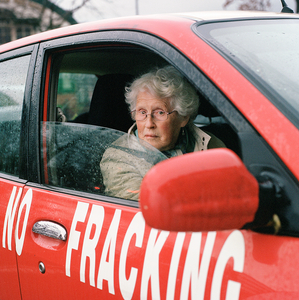
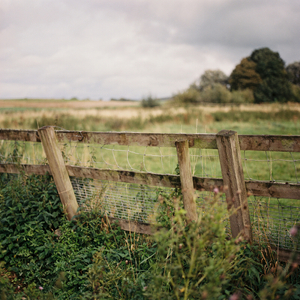
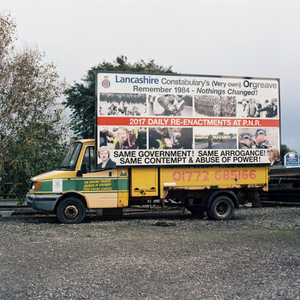
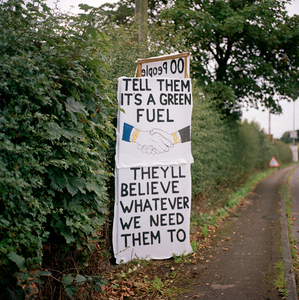
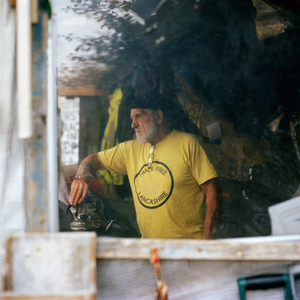
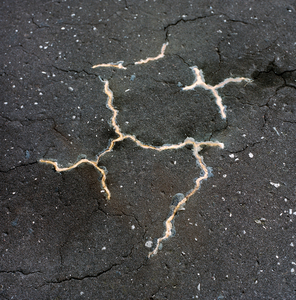
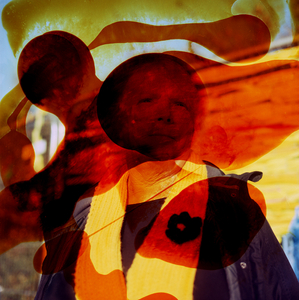
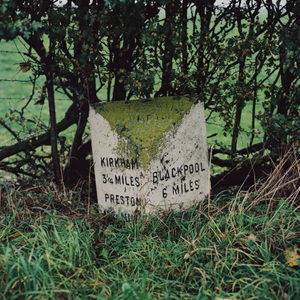
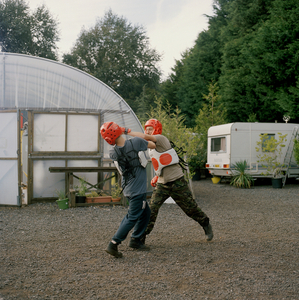
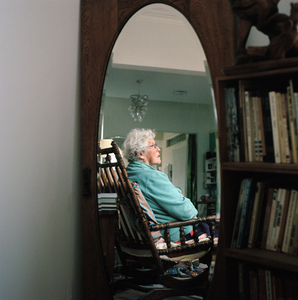
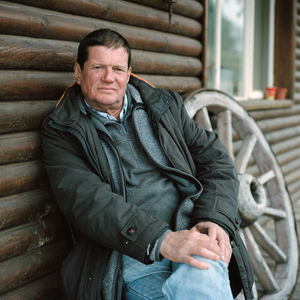
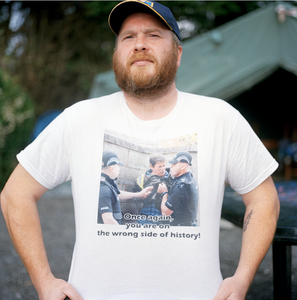
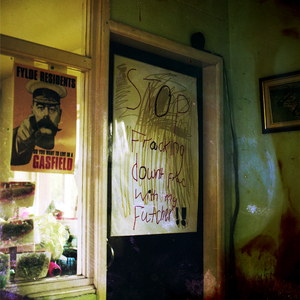
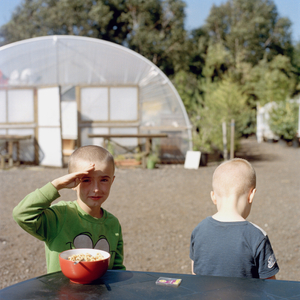
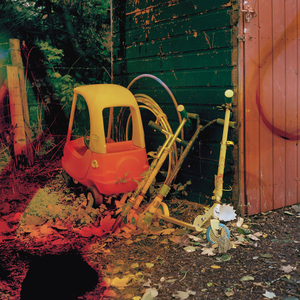
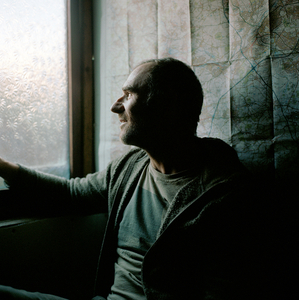
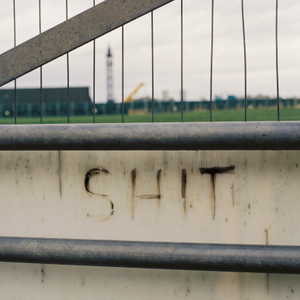
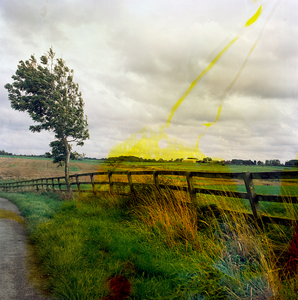
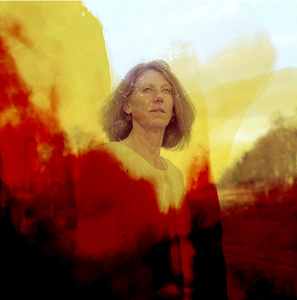
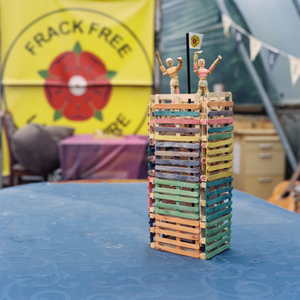
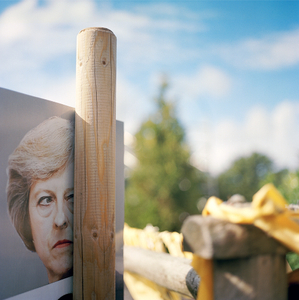
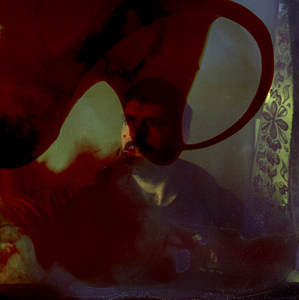
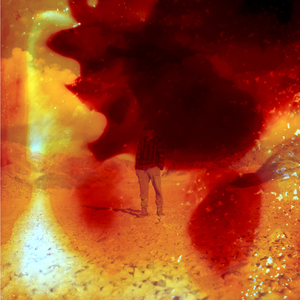
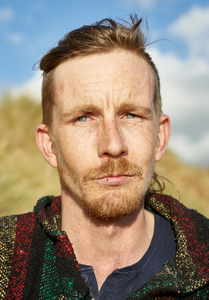
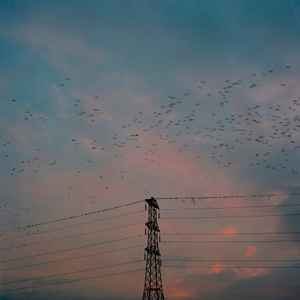
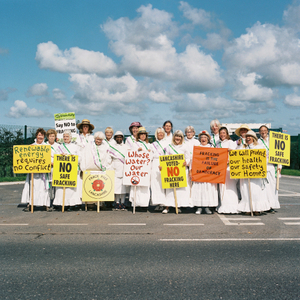
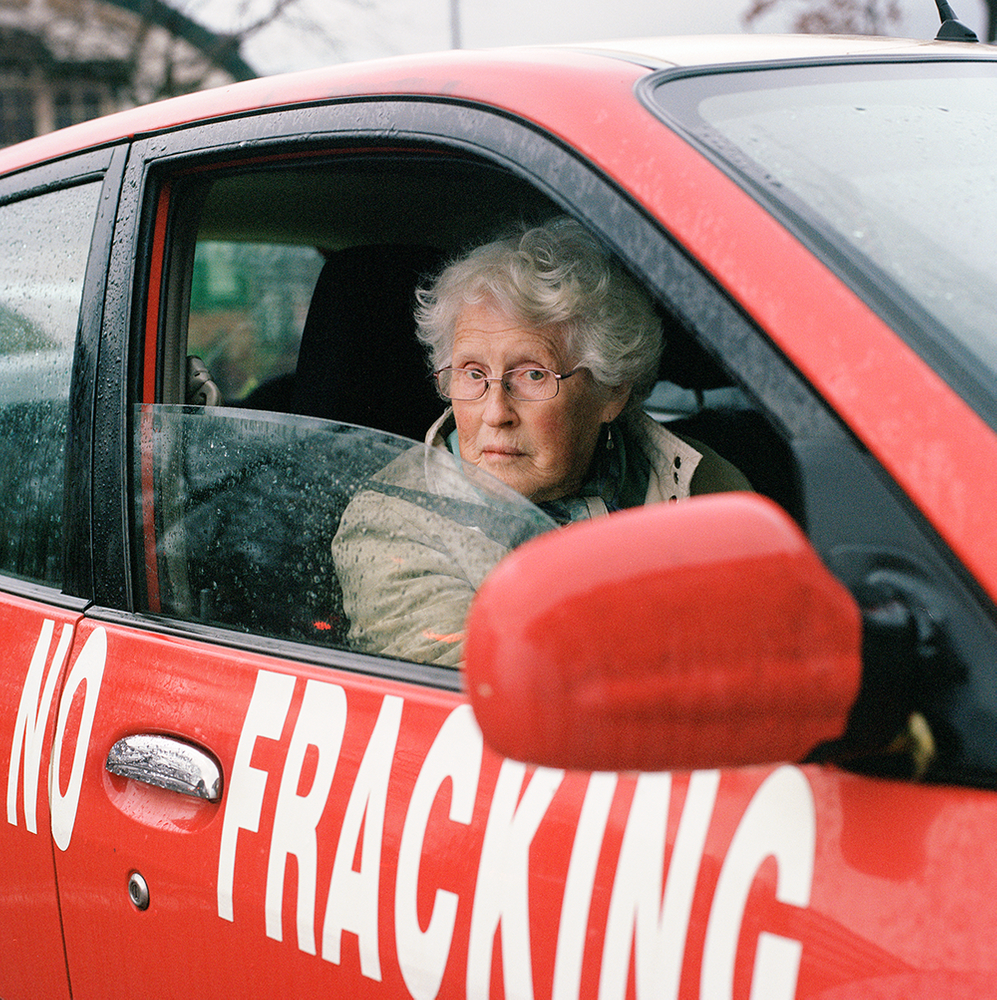
The Rift employs traditional and experimental image making processing to broaden the narrative around the development of ‘fracking’ (extraction of shale gas) in the UK, focusing on the faces and places surrounding England’s first active fracking site. -- In July 2018, the shale gas firm Cuadrilla was granted permission by the UK government to begin fracking a well on Preston New Road (PNR) in Lancashire, the UK’s first active fracking site since a moratorium on the practice was lifted. The first frack took place in October 2018, with more than 60 tremors recorded since. PNR lies midway between Blackpool and Preston in England’s formerly industrial North. From the late 1950s to the early 1980s, Blackpool was the go-to destination for British holidaymakers, nicknamed ‘Vegas of the North’. But, as the cotton and coal mining industries diminished, so did Blackpool’s once-burgeoning tourism trade. The city is still struggling, suffering from above average unemployment and child poverty. For some, the fracking industry provides a welcome injection of cash, for others it is seen as the final nail in the coffin. This project charts the local and national debate around fracking in the UK, using PNR as a framework. My aim is to capture the human side of the fracking story, including the faces and places most affected, and unite this with the chemical. I hope that this project can serve in some way to broaden discussions about the practice. Many members of the public find it hard to form an opinion about fracking – as it is largely invisible, with most activity taking place underground. Local objection to fracking centres on the toxic chemicals that are pumped into shale rock, and the long-lasting impact that these may have on the environment, particularly in regard to polluting water supplies and causing seismic disruption. Nationally, fears are related to climate change more generally. To visually illustrate what a loss of clean water could look like, I used a mixture of local water including fracking site runoff and polyacrylamide (the main constituent in fracking fluid which secretes the known carcinogen, acrylamide) to damage the film prior to processing, suggesting what the reality of water contamination could look like. The results are as unpredictable as the future itself.
No categories selected
Photos (41)