
They Still Owe Him a Boat
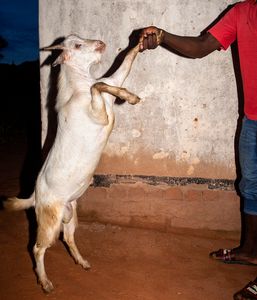
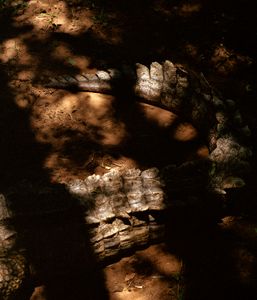
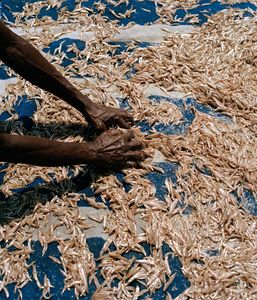
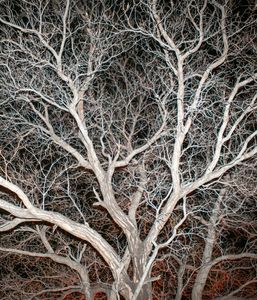
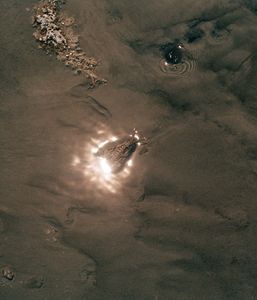
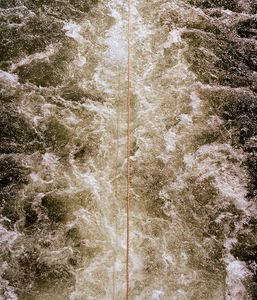
The Zambezi Valley has long been a place of myth and folklore, home to magical creatures and a way of life that acknowledged and celebrated them. Chief of which was NyamiNyami, the Zambezi River god, depicted with the head of a tiger fish and the body of a snake. ‘Kariva’, was an expression given to a rock beneath the rapids, where it was believed he resided. The creation of the Kariba dam wall in 1960 and subsequent flooding of the valley displaced approximately 57,000 people and separated NyamiNyami from his wife downstream. The resettled Tonga people sing of their wailing ancestors heard across the Zambezi Valley, wandering in a place unrecognisable to them, lost in a search for their living relatives. When Cecil John Rhodes duped King Lobengula into signing the Rudd Concession - essentially handing over mining rights to the British South African Company - it paved way for the colonisation of present-day Zimbabwe. Of the many things promised to King Lobengula in exchange for signing the concession was a boat, which he never received. This work explores the colonial legacy of Lake Kariba, the dualities that continue to exist in this place and in broader contemporary Zimbabwean society. There are two sides to the lake: Zimbabwe and Zambia, an imaginary line demarcates the lake in two, roughly following the course of the Zambezi River and there are two histories and two very different experiences of the lake - those of the white and those of the black population.
No categories selected
Photos (10)