
A Sense of Place
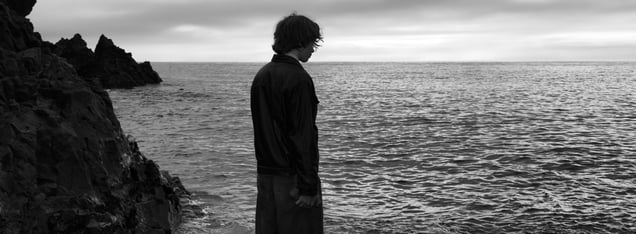
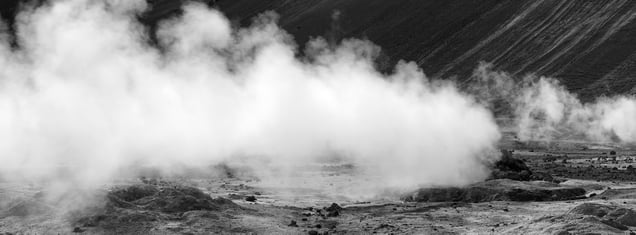
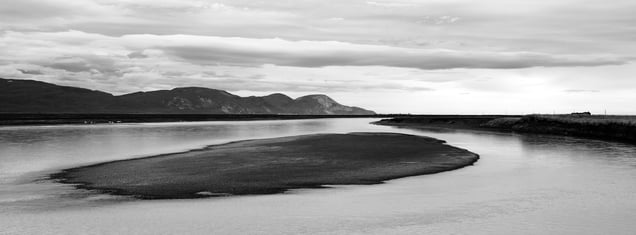
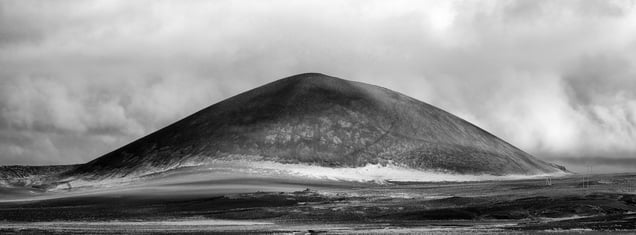
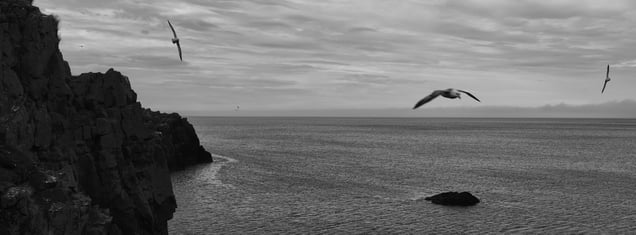
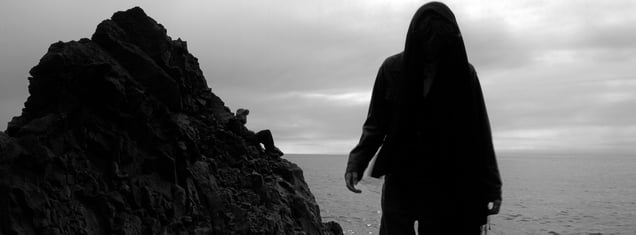
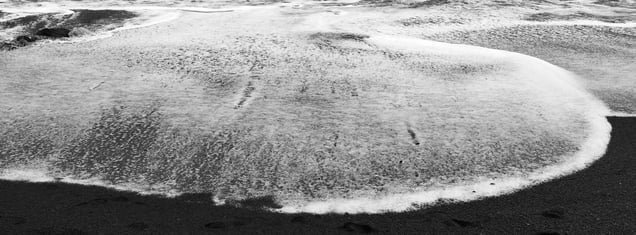
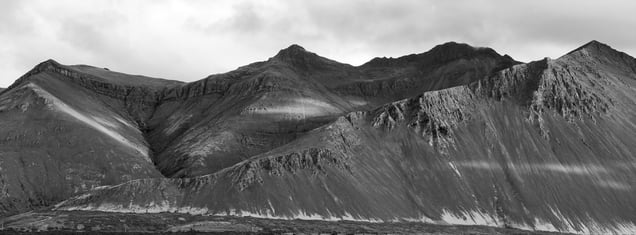
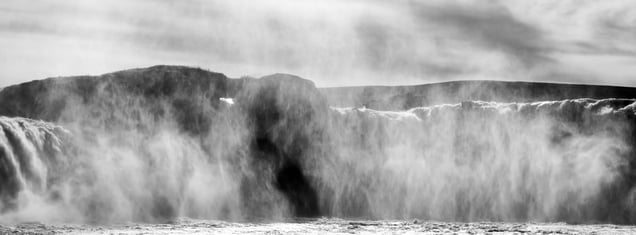
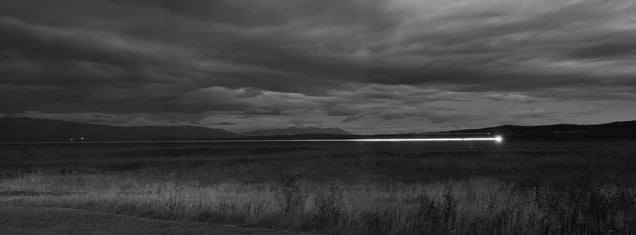
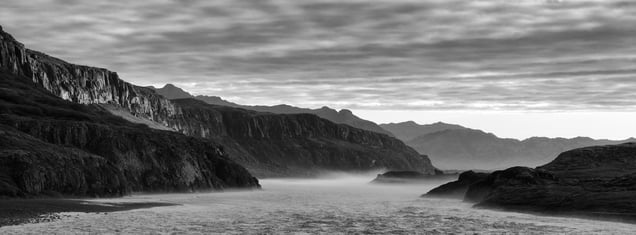
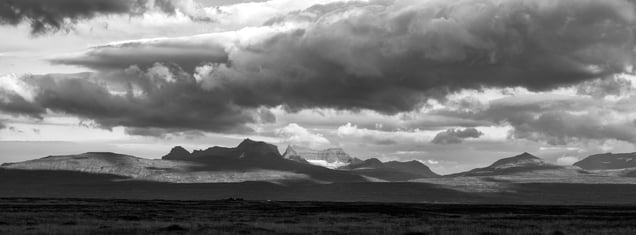
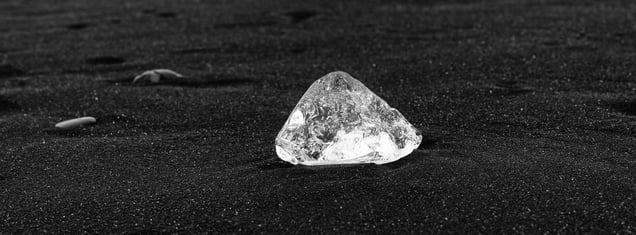
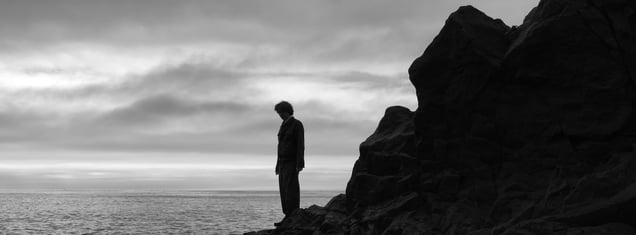
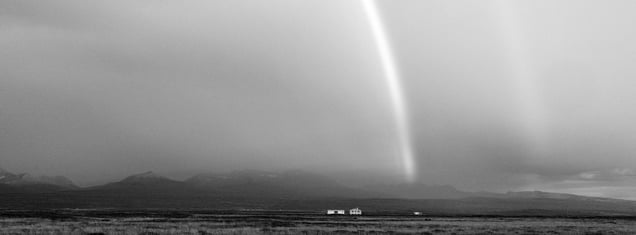
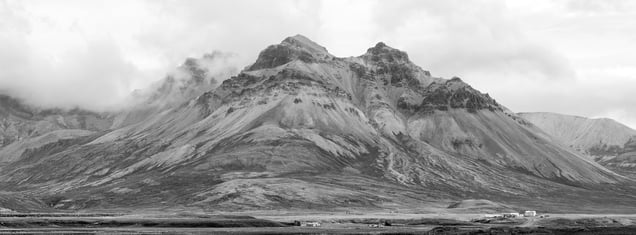
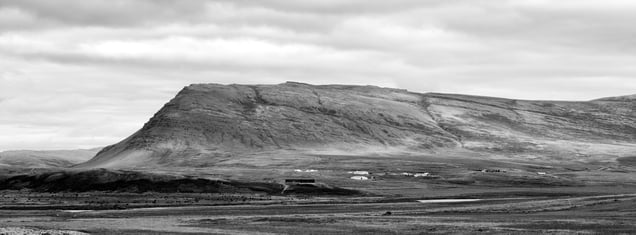
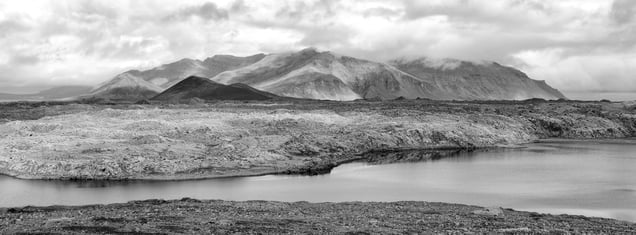
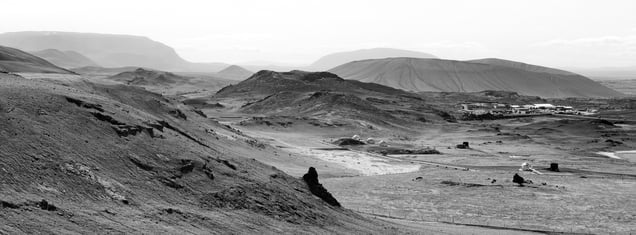
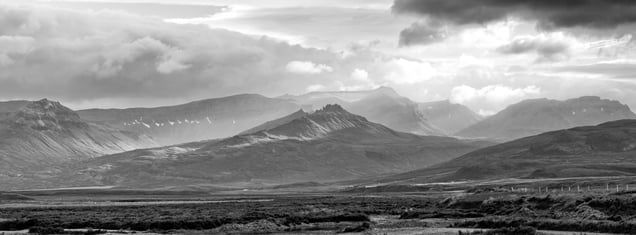
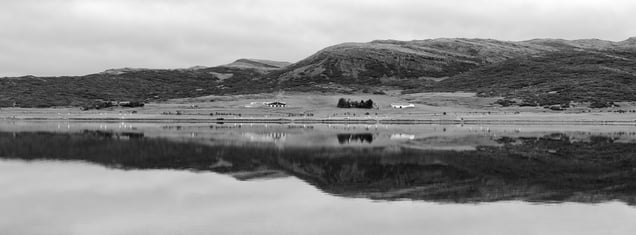
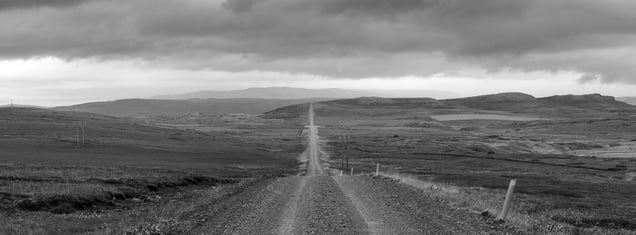
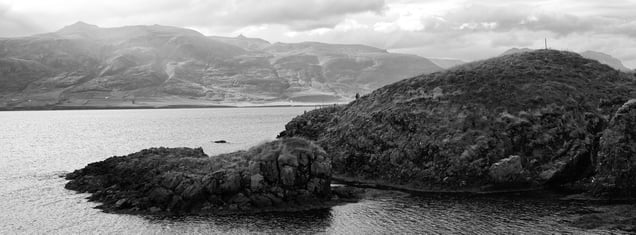
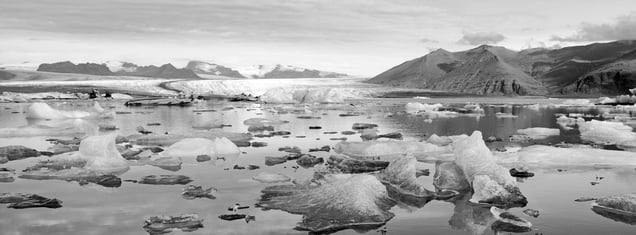
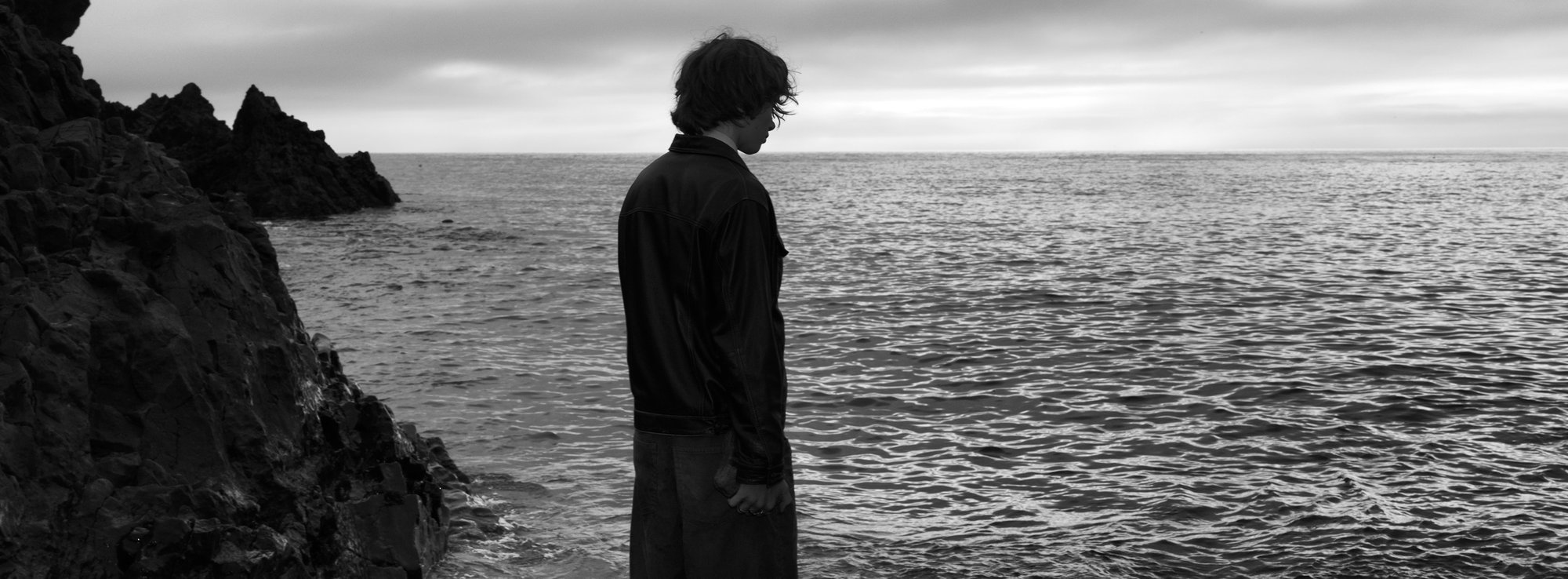
A Sense of Place is a visual sociology that uses mindfulness to deepen awareness of the present moment—not only through sight, but through feeling, sound, and scent. Rooted in the mythic Icelandic landscape, this practice becomes a threshold: where one stands both as observer and participant in the world’s quiet resurrection. Through photography, it offers a path to mental clarity—where attention becomes presence, and presence becomes healing. Black and white photography, combined with the expansive XPan format (65x24 aspect ratio), the act of seeing transforms into something both intimate and vast. The wide frame demands a different perspective—capturing not just a scene, but the space between moments. This format compels me to slow down and fully engage with my surroundings. The result is not just an image, but a meditation where textures, shadows, and light become an expression of being. Each image is a portal, inviting the viewer to step into a realm where seeing becomes an experience of profound awareness and mental stillness. The XPan format has had a significant impact on how I approach the act of seeing. Unlike cropping to a panoramic aspect ratio in post-production, composing directly in-camera with the 65x24 frame shifts my entire visual awareness. It creates a new way of seeing—one that requires intention, discipline, and patience. The panoramic view invites the eye to travel horizontally, expanding the perception of space while simultaneously demanding clarity of composition. This conscious limitation becomes a creative force. It challenges me to rethink balance, tension, and negative space. The result is a visual language that aligns perfectly with the emotional and psychological depth I seek to explore. Moreover, the physical experience of looking through the XPan viewfinder changes how I interact with the world. It forces me to be fully present, to move slower, and to anticipate rather than react. This heightened state of awareness enables a deeper connection between my inner emotional state and the external environment. In this way, the camera becomes not just a recording device, but a tool for mindfulness, reflection, and ultimately—healing. At the core of this process is the psychological and sociological concept of Sense of Place, which explores the emotional, cultural, personal, ecological, and economic connections we form with the environments around us. In my work, Sense of Place extends beyond the landscape to include all spaces—natural, urban, or social—that shape my emotional and psychological state. The relationship between the external world and my inner experiences evolves in response to my traumas, emotional needs, and search for identity. The places I inhabit evoke feelings that resonate with my personal history and shape how I experience the world. Before I press the shutter, I often feel a deep, unconscious emotional pull that guides me to a particular scene. It’s not a conscious decision but a reaction to what resonates with me in that moment. I’m not seeking perfection; I’m connecting with what moves me inside—trauma, concern, love, or questions of identity. These emotions are tied to the place I’m in and the personal history I carry with me. The camera becomes a tool for understanding. It’s not about crafting a staged shot; it’s about documenting life as it is. There is no pretense—just raw, unfiltered moments reflecting the reality of my emotional experience. As I frame my surroundings, I merge my inner state with the external world in a moment of reflection. This unconscious act of engagement—where my inner world is drawn to and confronted by the outer world—becomes a way to process deep-seated concerns, traumas, and identity questions. The moment itself provides a space to confront what I might otherwise avoid or struggle to articulate. Photography, in this sense, is more than an act of creation; it is a confrontation with myself. The image captured is not just what I see, but a reflection of my inner world. By photographing what emotionally and intuitively moves me, I gain access to raw, unprocessed parts of myself. This process becomes a mirror—a way to confront and better understand my emotions. In these moments, I am confronted with parts of my identity and history that are often difficult to address. Engaging fully with my environment allows me to access parts of myself I tend to suppress. Photography becomes a process of self-observation and adjustment, where I learn to navigate my thoughts and feelings in the present moment. This act of witnessing—externally and internally—opens a space for reflection and transformation, leading to a new, constructive approach to my emotional experiences. The act of photography mirrors the cyclical nature of healing that I see in the Icelandic landscape—a continuous process of destruction and renewal. Just as the land reshapes itself, so can I redefine and evolve over time. It’s not about instant healing, but about gradual recognition, acceptance, and growth. This process strengthens my mental health, fosters personal development, and fortifies my sense of self in challenging times.
Photos (25)