
Zumbi of Cracolândia
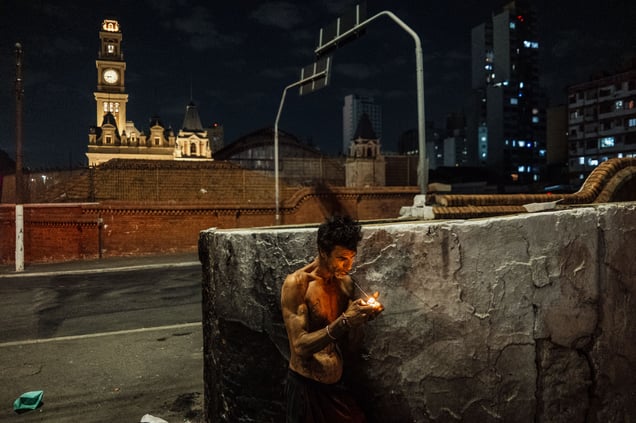
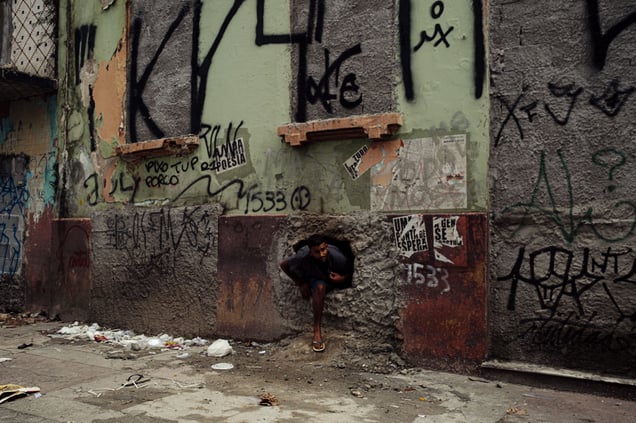
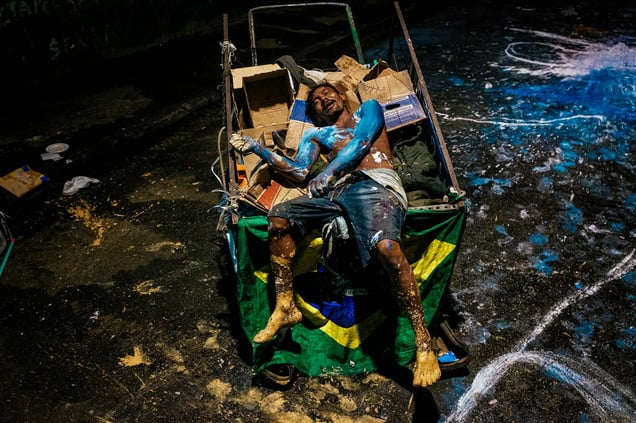
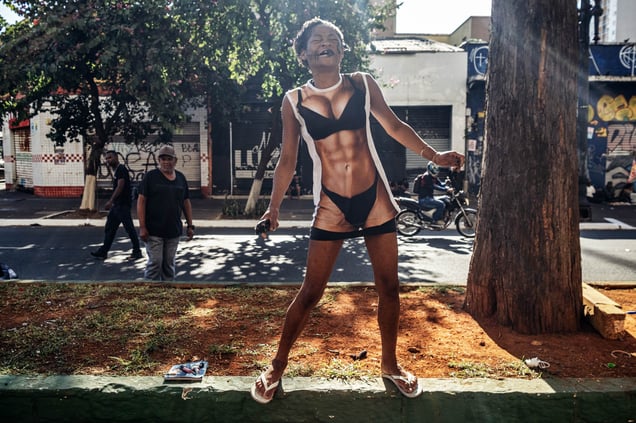
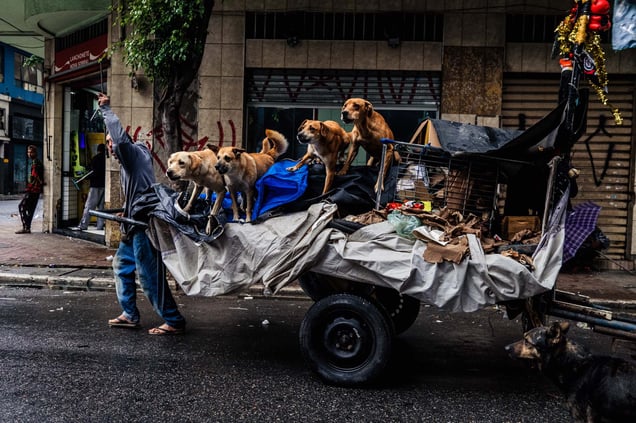
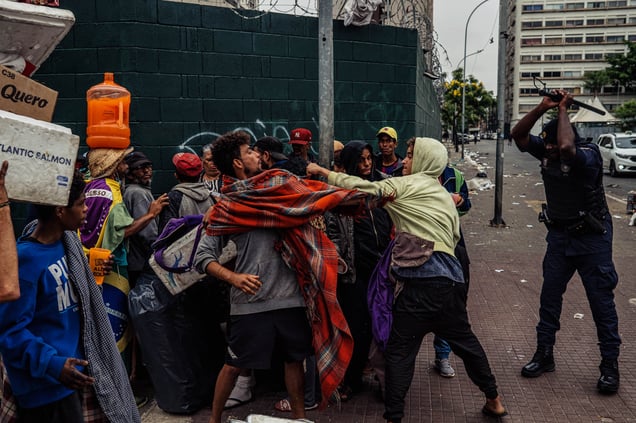
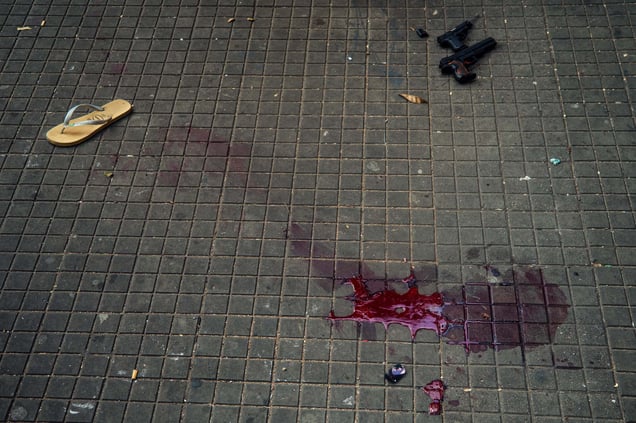
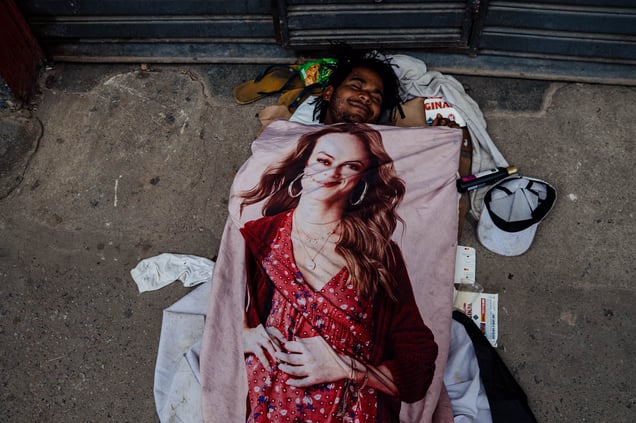
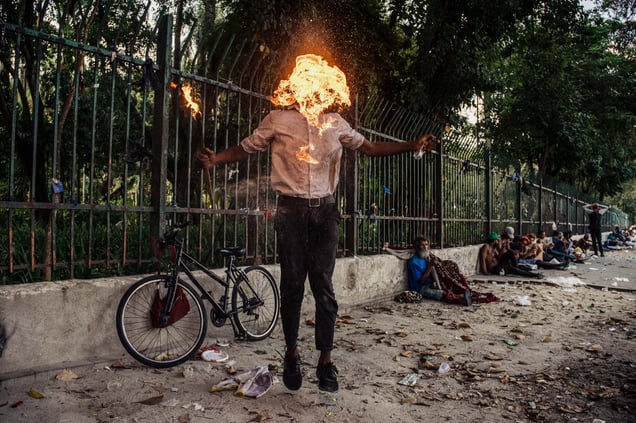
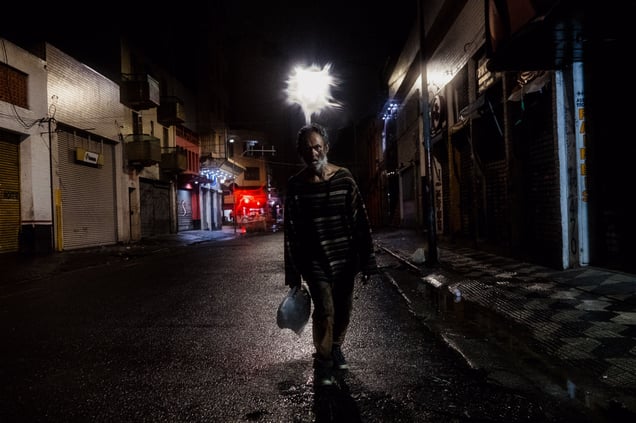
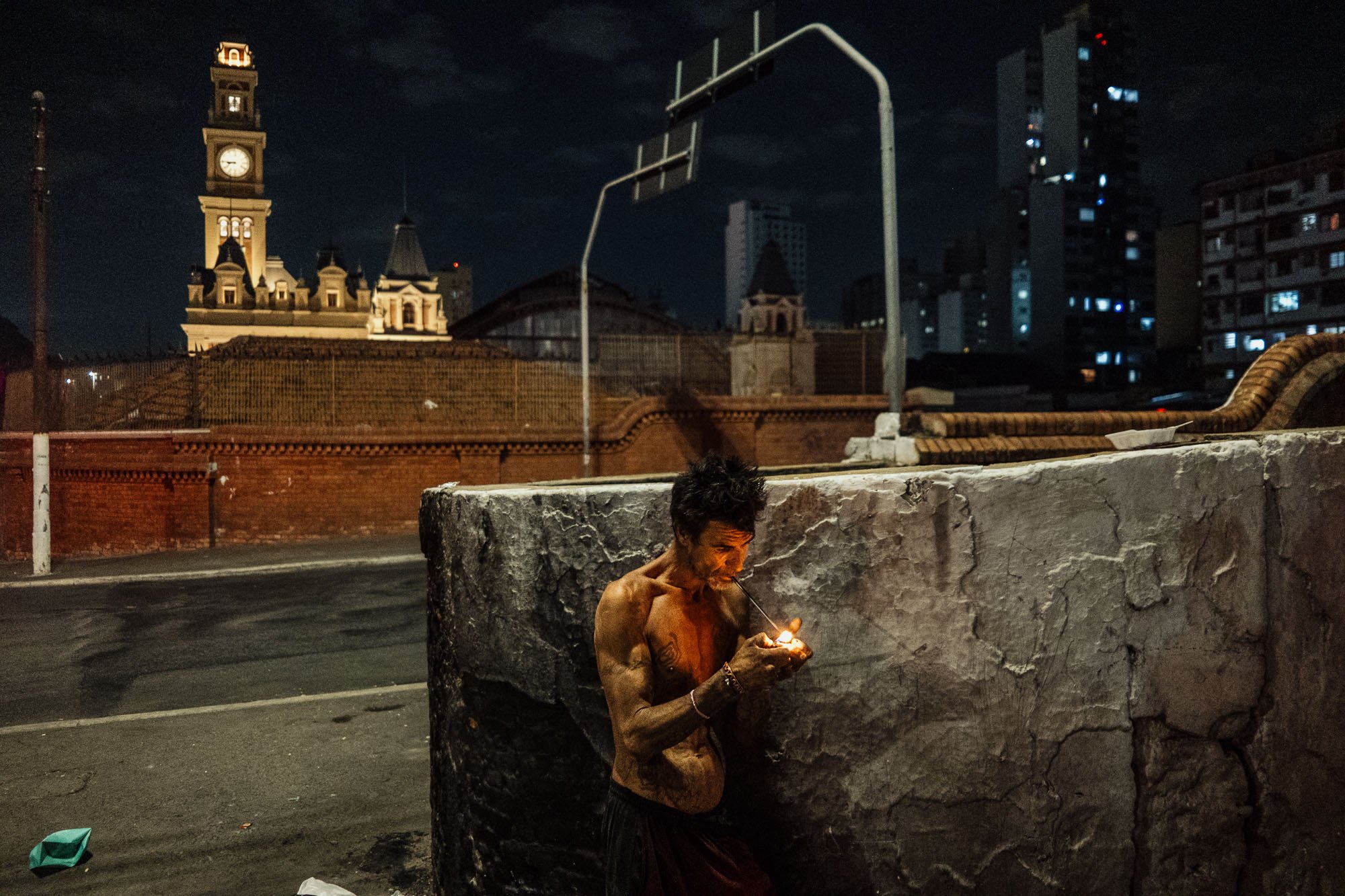
The Portuguese word Zumbi, which comes from the Bantu language Kimbundu, spoken in northern Angola, means corpse, ghost, or living dead. This is the derogatory term used to refer to crack users who wander day and night through the streets of Cracolândia—the land of crack in downtown São Paulo, Brazil. Zumbi also has another meaning: it is the name of the last leader of the Quilombo dos Palmares, an autonomous community formed in the 17th century by formerly enslaved people who escaped from Brazilian plantations. The quilombos were Black territories, marginalized and peripheral. In Brazil, they remain today a powerful symbol of resistance. Cracolândia, known as the "land of crack," stands as the largest open-air scene of crack consumption in South America. For many São Paulo residents, it is seen as an incurable wound at the heart of the city—one that has developed over the course of three decades. Yet for those who inhabit it, Cracolândia is an urban community—a space of resistance, refuge, and the last possible shelter for marginalized lives. Cracolândia embodies both resilience and contradiction: a contemporary urban community and a hellish reality from which escape is profoundly difficult. In a Brazil marked by deepening poverty and inequality, this territory does not reveal the root of societal ills—but rather, their painful symptoms. It is a stark mirror reflecting the wounds of a society that has yet to confront its historical and structural injustices.
No categories selected
Photos (10)