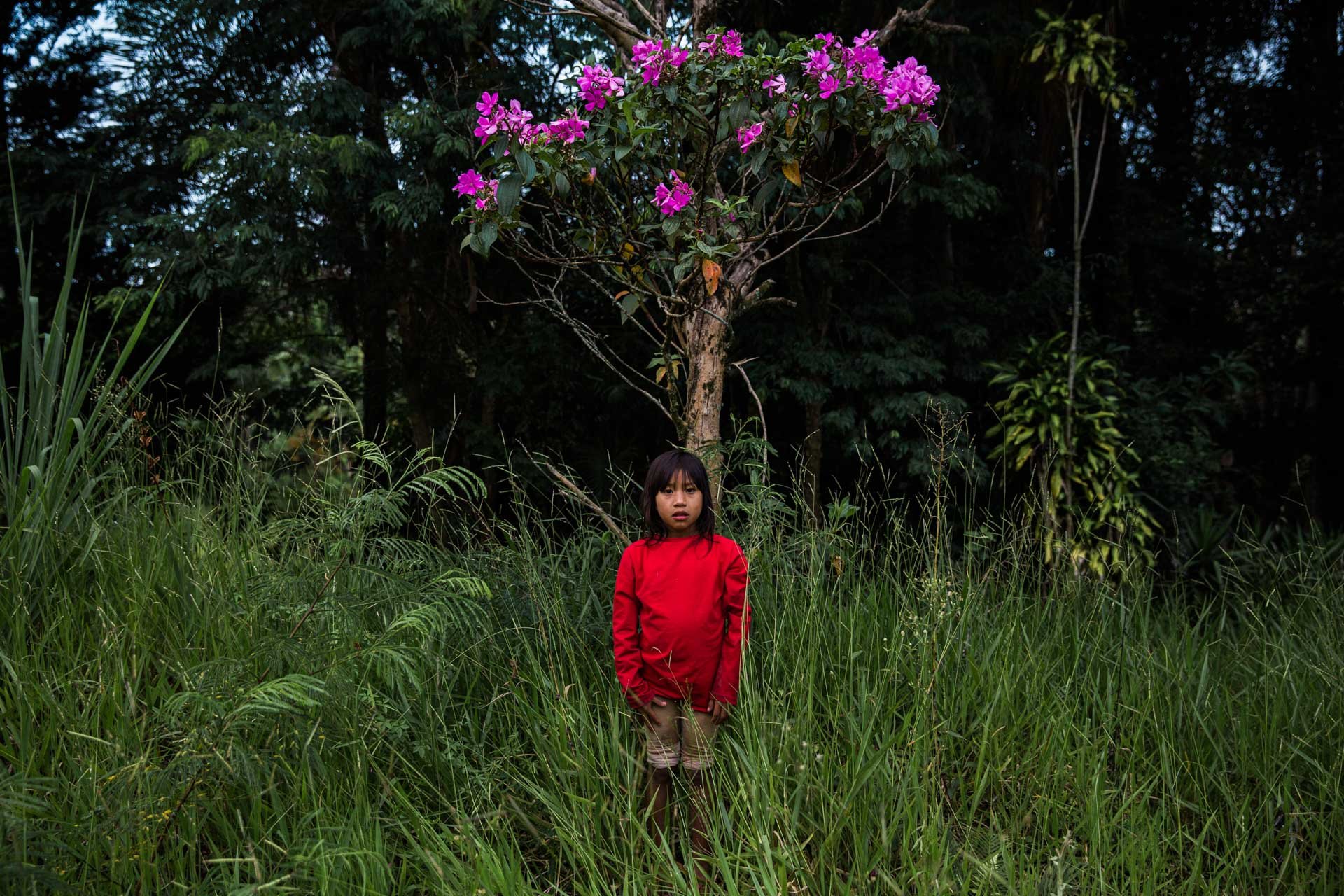

Guarani Spring
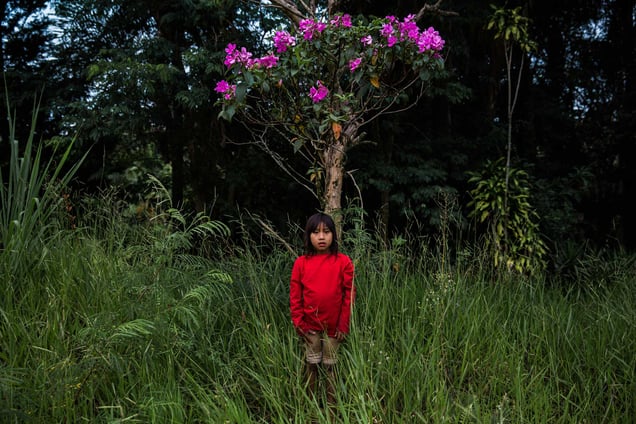
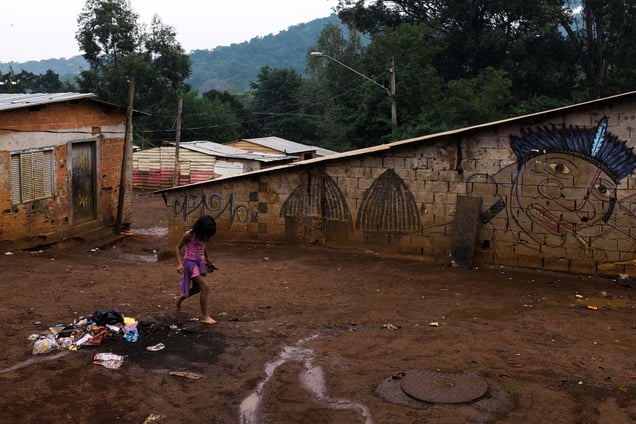
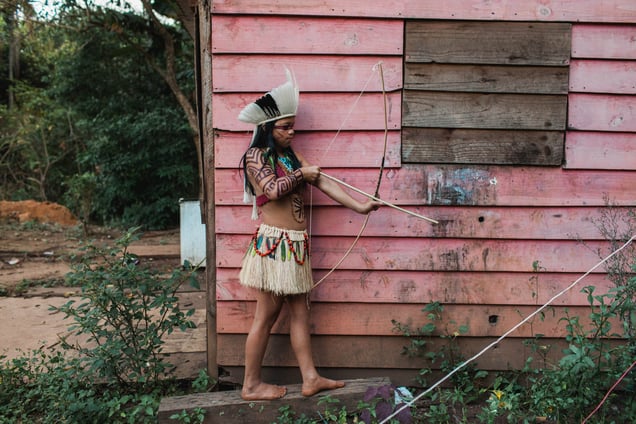
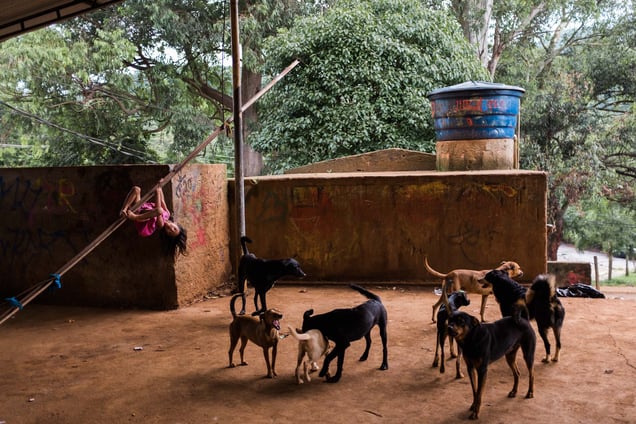
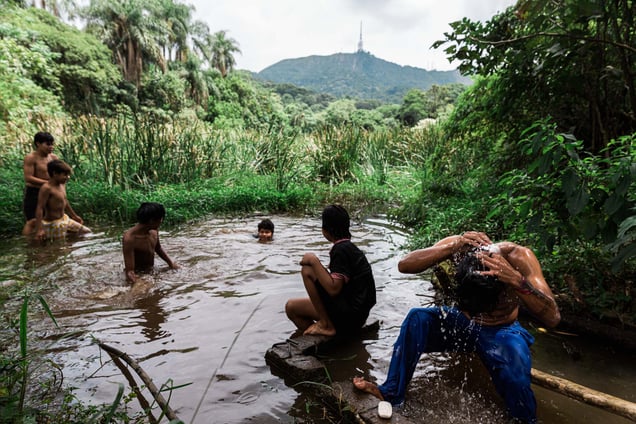
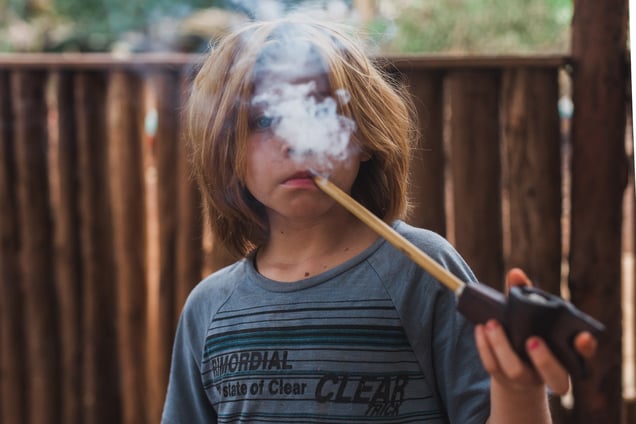
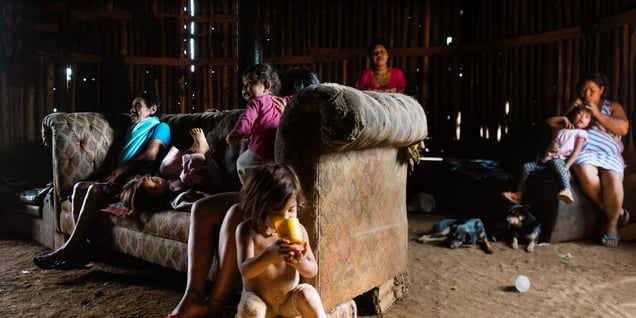
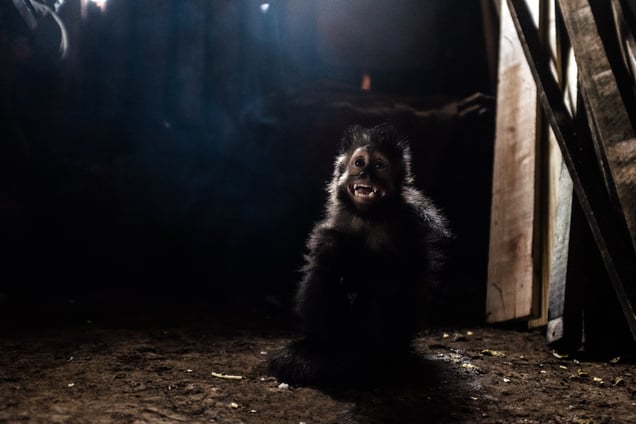
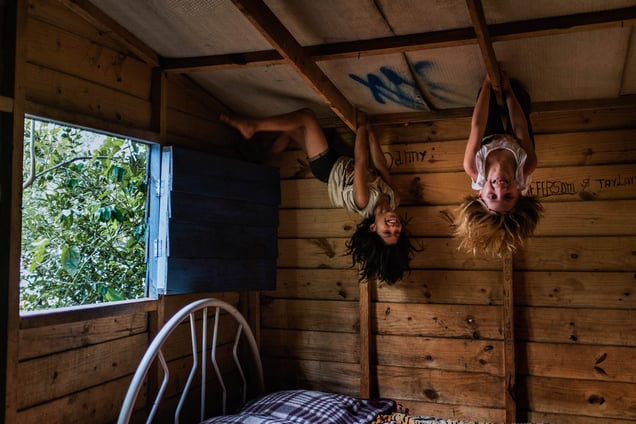
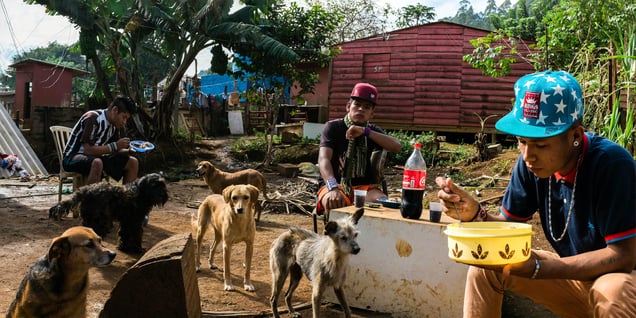
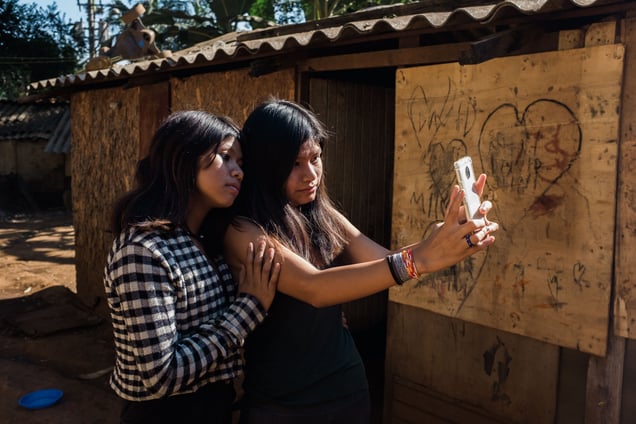
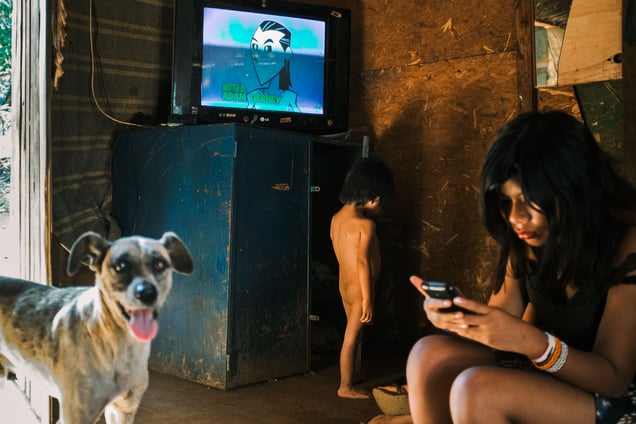
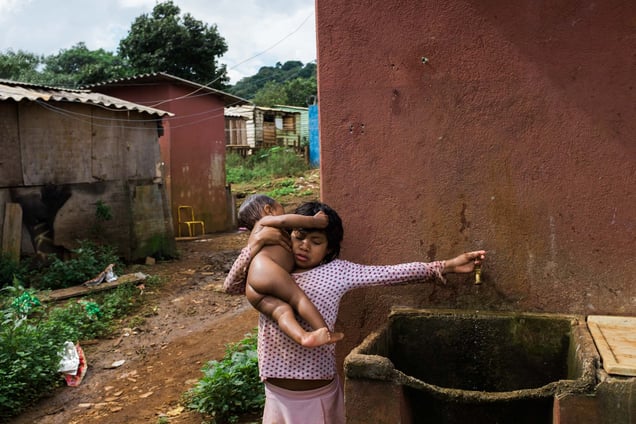
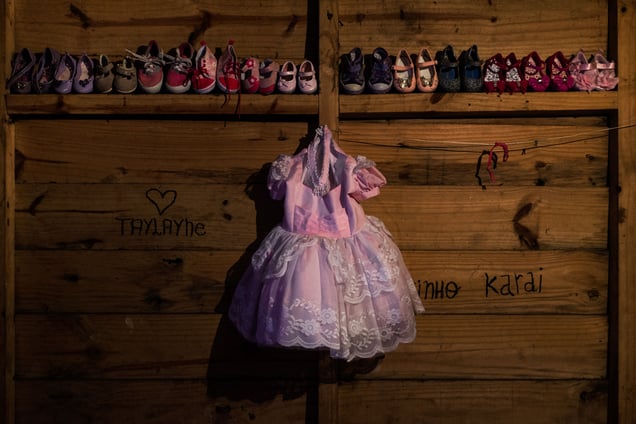
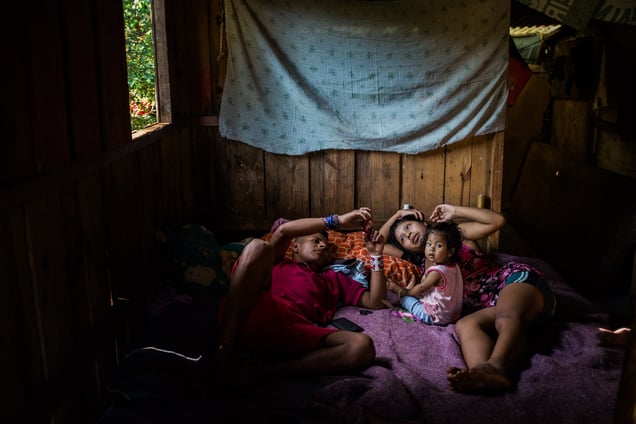
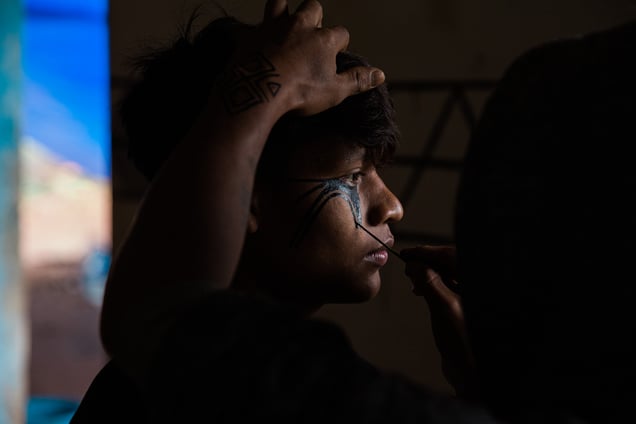
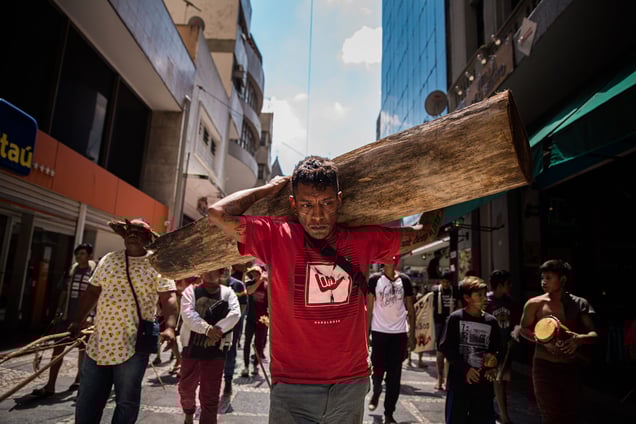
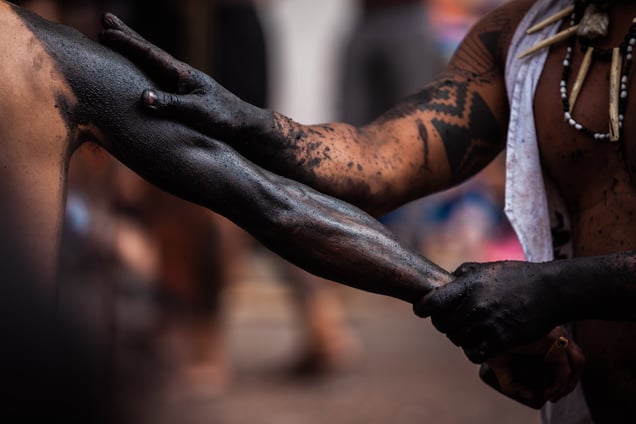
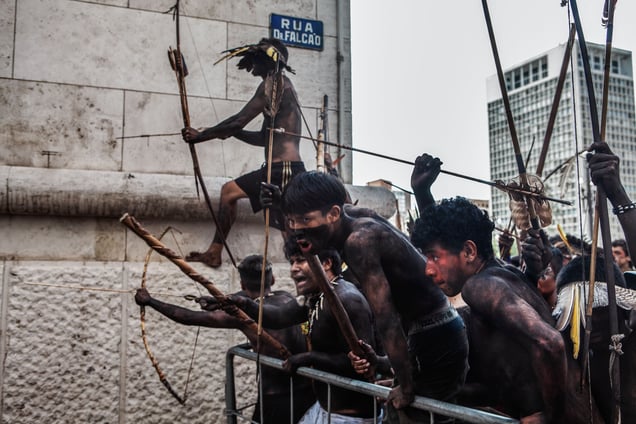
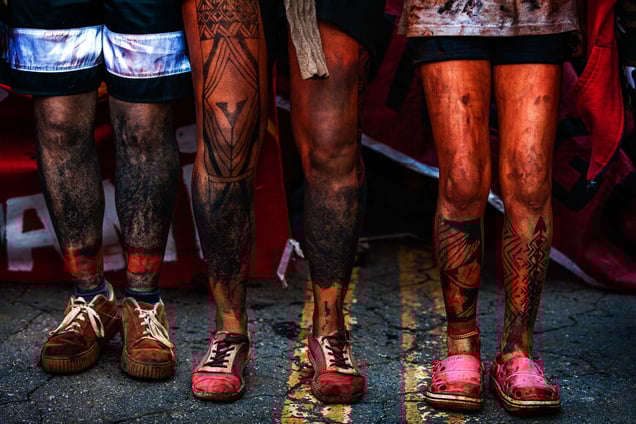
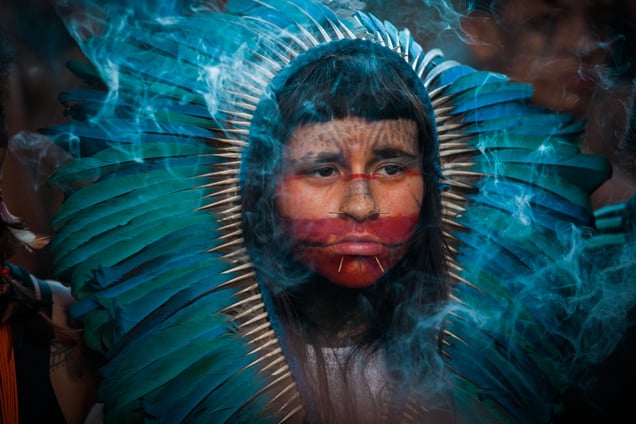
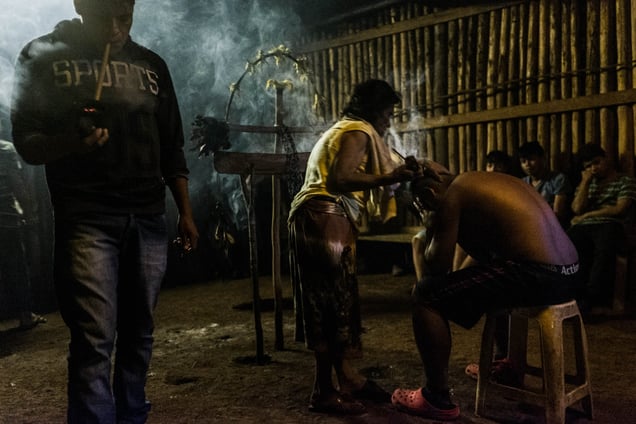
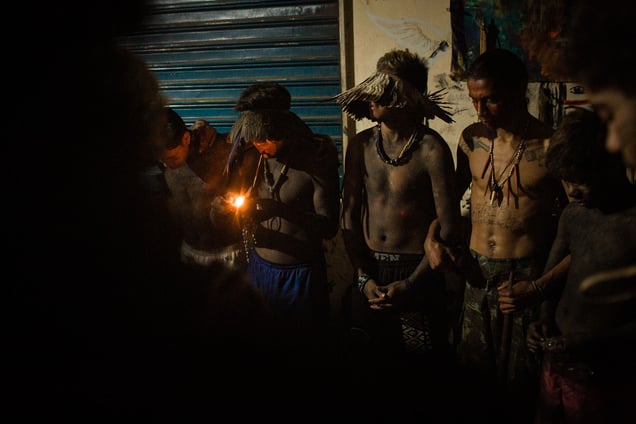
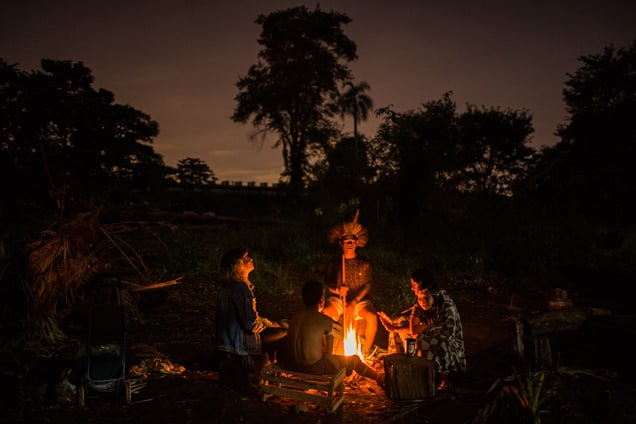
In the “Pico do Jaraguá”, compressed in a restricted area of 1,7 hectares in the middle of the São Paulo megalopolis, there are five villages inhabited by Guarani M’bya people. The Guarani are warriors, their lives divided between the traditional culture and the manifold attractions of the outside world. The area they live in holds the sad record of hosting the smallest indigenous villages (in extension, compared with the number of inhabitants) in Brazil. The Guarani had lived in the area long before the arrival of the Portuguese, but the São Paulo urban development eventually incorporated their territory. Today there are no more animals the tribe can hunt, the river is polluted and there is not enough land to grow mandioca. The small territory, the lack of basic sanitation and the abandonment of animals on site are just some of the problems that make the living conditions there very difficult and precarious. The amount of food for the more than 500 puppies living in the villages is not enough, as is the area for them. With the land contaminated by manure, the adults and especially the children who play on the same floor as the animals, are susceptible to numerous health complications. In these dilapidated wooden barracks Guarani warriors are divided between the traditional culture and the multiple solicitations of the external world; between collective rituals that strengthen their community spirit and the ever-increasing use of, for example, social networks. Under these conditions, culture and identity are not fixed, but subject to changes and to a continuous redefinition. Despite this, the Jaraguá indigenous land is a place of struggle and resistance. In the heart of the metropolis of São Paulo, as in the most remote corners of Brazil, indigenous peoples, despite the many difficulties, continue to survive and resist. They fight to preserve their environment and their lifestyle in harmony with nature. They fight against realestate speculation, mining and deforestation projects so that future generations can grow in the midst of trees and animals. It is an indigenous struggle that should be of each of us.
No categories selected
Photos (24)