
America in a Trance
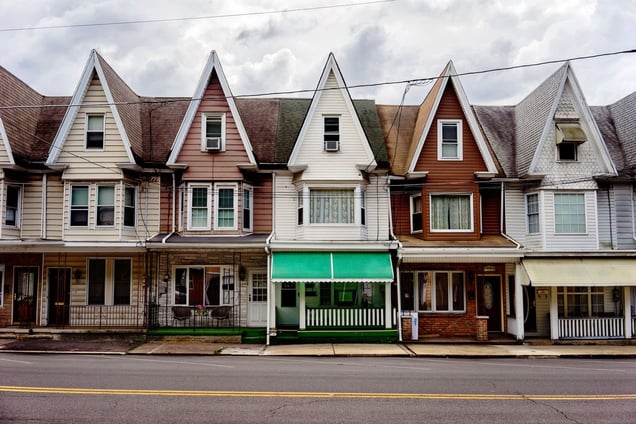
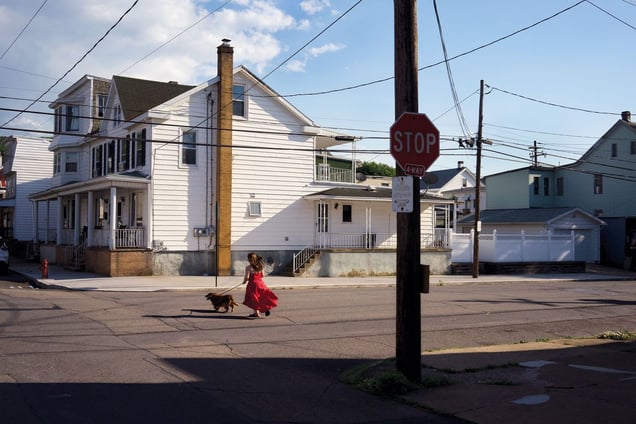
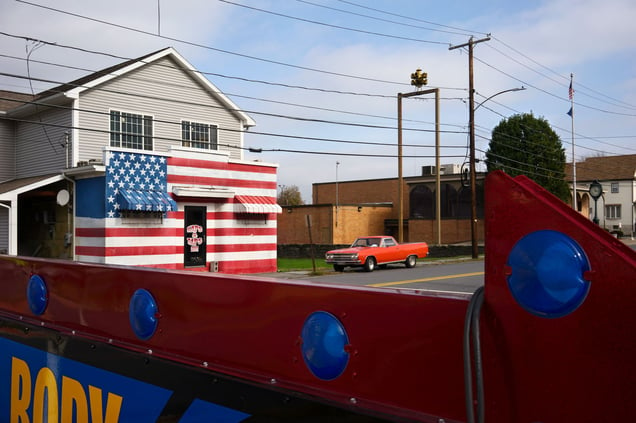
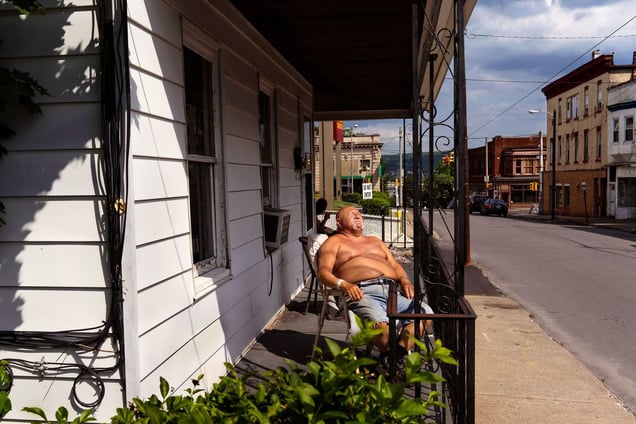
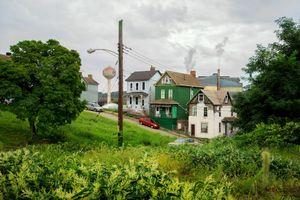
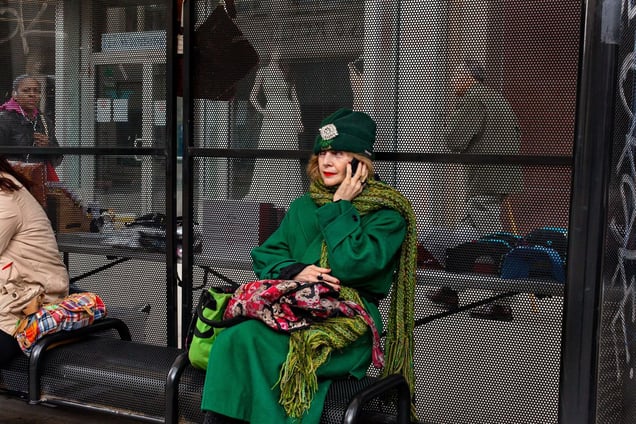
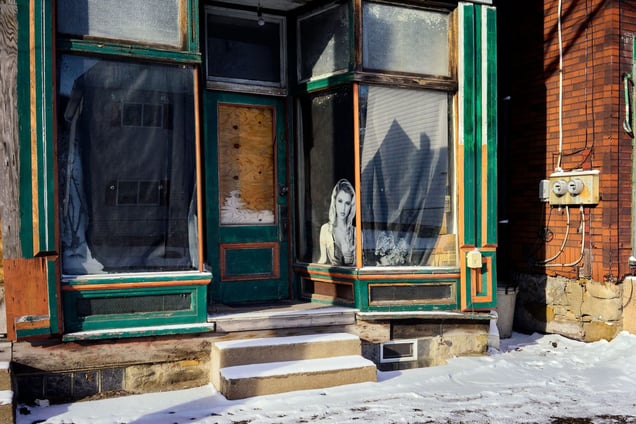
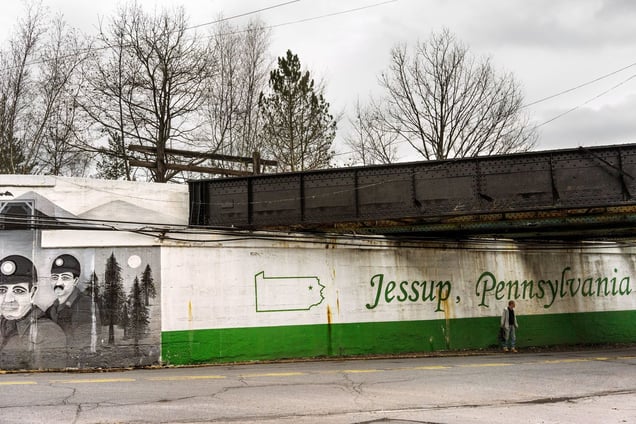
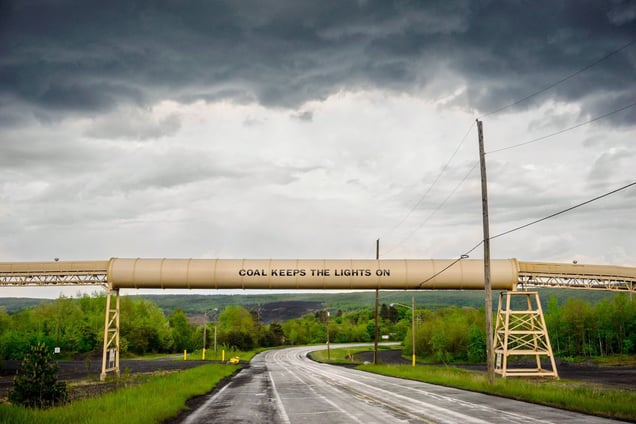
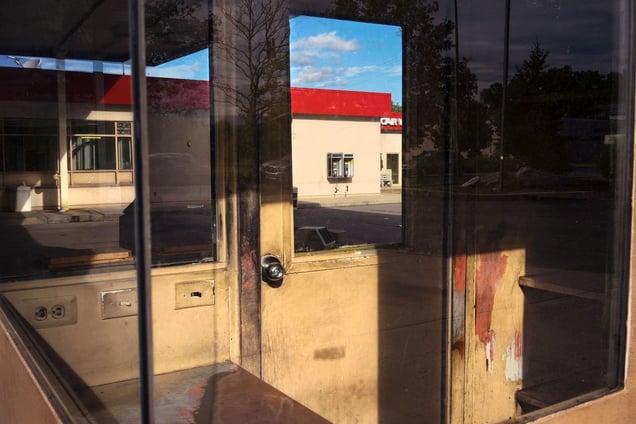
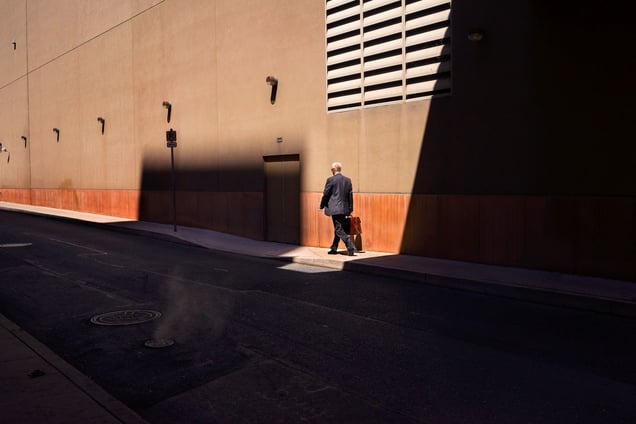
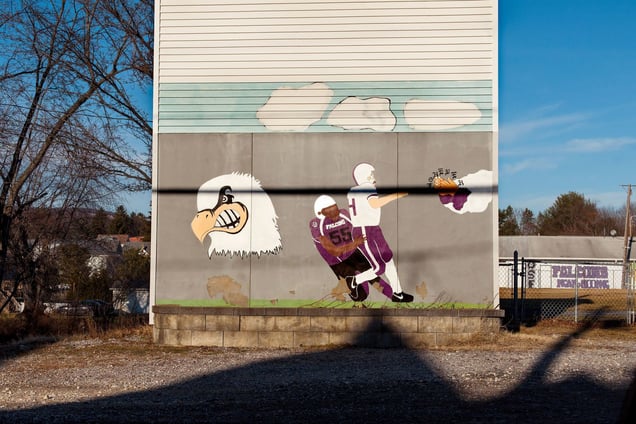
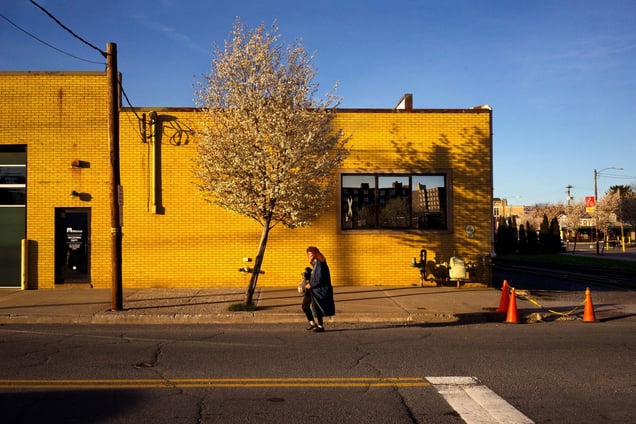
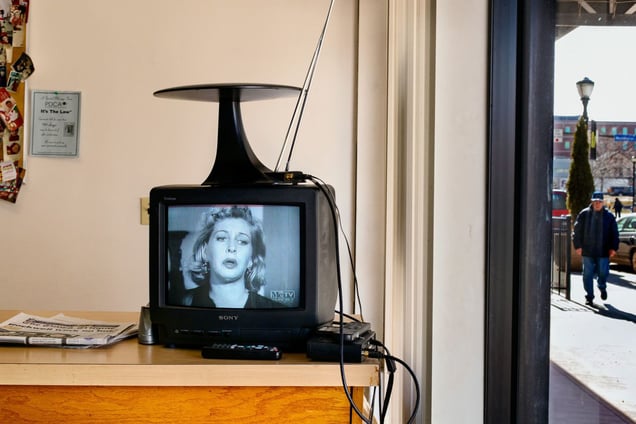
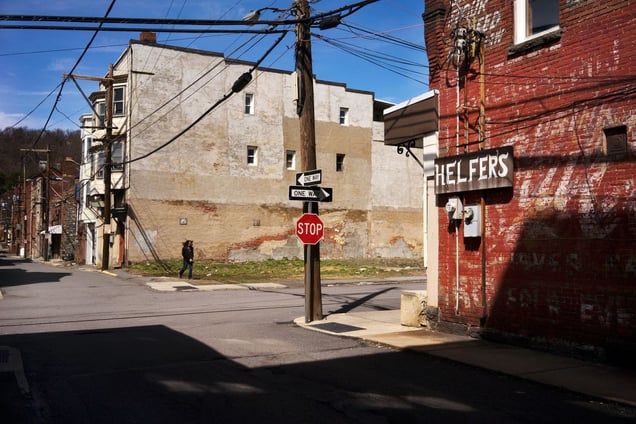
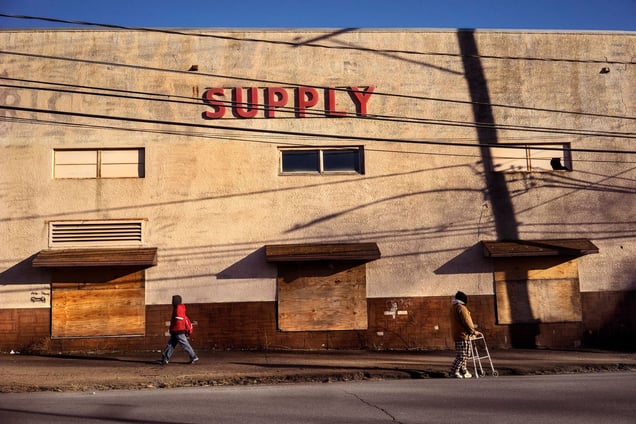
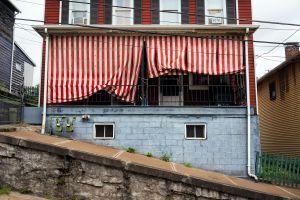
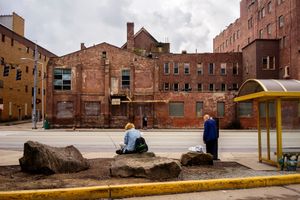
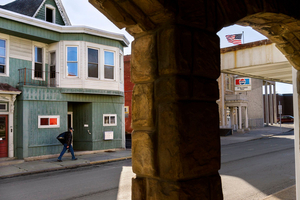
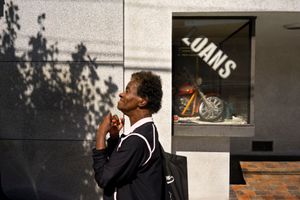
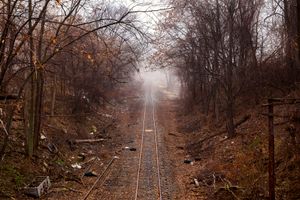
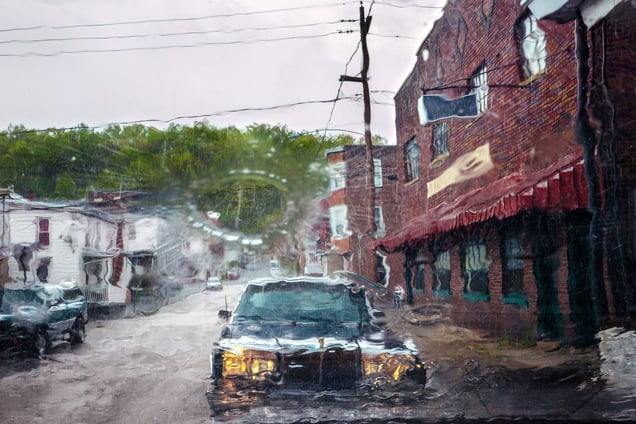
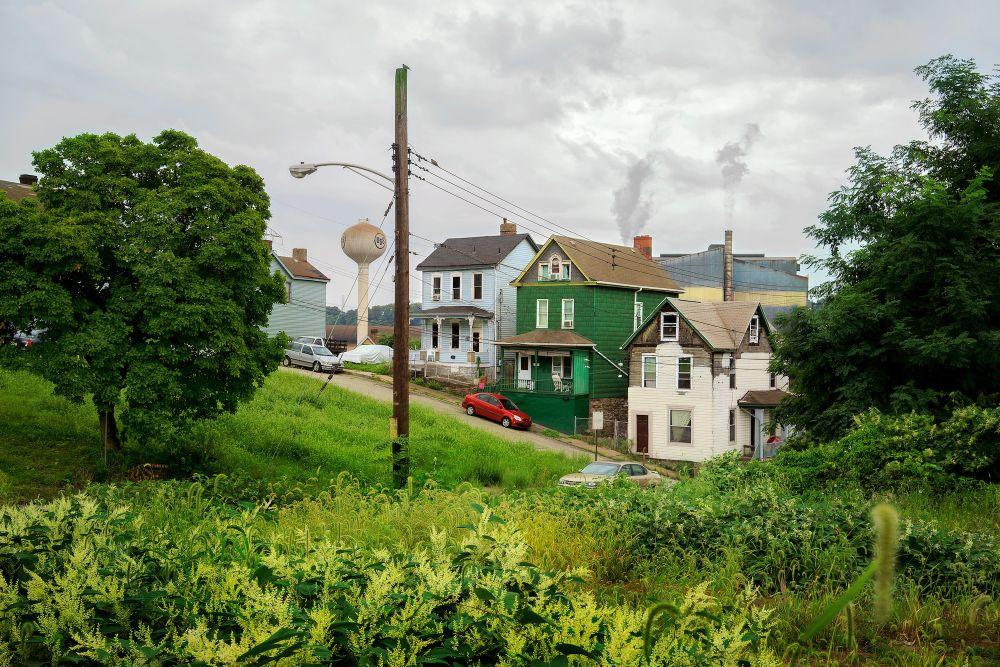
Niko J. Kallianiotis’ photographic work, America in a Trance, constitutes somewhat of a surprise as it follows in the tradition of Street Photography, a photographic style that has long been hailed as outdated, yet continues to survive and thrive in works such as his. This is essentially a work that takes the viewer on a trip through the back roads of Pennsylvania that have long been forgotten by the lens of the media. A look into an America that once radiated with industry and vitality but whose heart has now shrunk in this post-industrialist, globalized economy. His work is composed of empty storefront windows and vacant shops and warehouses where lonely figures walk the barren streets of the towns of this journey. They resemble ghosts, captured from afar, amongst shadows and the shiny signs of the few businesses that continue to operate. The work is characterized by its meticulous study of the semiotics of the street and the imagery and language that works in unison. Posters, storefronts, graffiti, and signs follow in the visual vernacular that was so finely weaved by Walker Evans, Lee Friedlander, William Eggleston and later Stephen Shore and other great photographers who perceived in the local idiom as a visual language that communicates the pulse and soul of a community. Kallianiotis’ photographs are distinguished through the use of form and color that build the backbone of the images combined with well chosen striking details that capture the gaze of the viewer. The frequent use of afternoon and evening light favors the side light which lends a golden glow as a hopeful note or a possible metaphor for the finale of the West. This is street photography consciously void of action, without the vivid vitality of the snapshot, that attempts to touch upon a concerning truth of a society in flux. He often lets the obstacles in the scene emerge such as the plastic swans and the statues of freedom that decorate the microcosm of American gardens. His images coincide with the 2016 election campaign, the null public space, the robust national symbols. Kallianiotis’ ominous glance also conceals a melancholy tenderness. It’s possible that the roots of the tenderness derive from his personal experiences: as an adolescent he found himself in an indefinite and invisible space between two countries, both incomprehensibly familiar and bewildered. In fact, the personal element in combination with his longing for the collective and social is the main ingredient of his project. In the words of Frank Zappa, this unconventional American artist, was the one who underlined that everything deeply personal in the end eventually becomes ecumenical. Hercules Papaioannou
Photos (22)