
Beelzebub
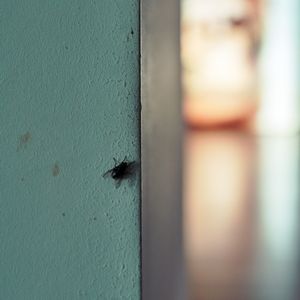
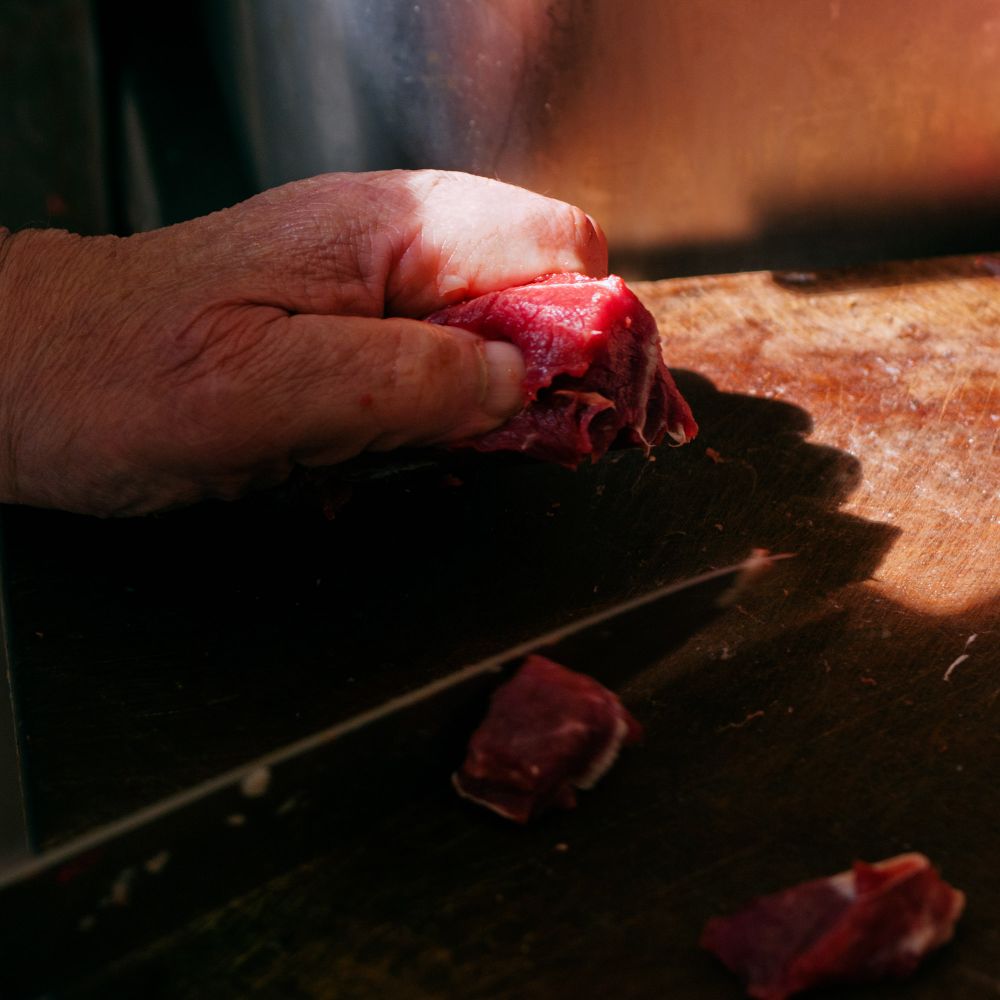
My work explores how so-called “straight” photographs can be used both as documentations of reality and as means of expression; manifesting a psychological aspect or emotional interpretation that is by definition personal rather than universal. Consciousness and the nature of the human experience as we live it today are fascinating to me; the alienation, uneasiness and feeling of scrutiny that comes as part of modern life, and the undercurrent of an indefinable anxiety. This series is a modern-day memento mori or vanitas; a meditation on mortality, ephemerality and melancholy. Appearing here as a recurring theme, the elusive fly has long been associated with decay and the passage of time in art, literature and religion; as a detail in Virgin and Child paintings, for example, where it may allude to the corruption of flesh, and as a symbol of transience in Flemish Baroque flower paintings. In the Babylonian Talmud it is a symbol for the evil inclination “that dwells between the two entrances of the heart” (Berachot 61a), whilst as personified in the form of Beelzebub or Ba’al Zevuv, the Biblical Canaanite god and Lord of the Flies, it becomes a demon of high rank, "than whom, Satan except, none higher sat." (Milton, Paradise Lost). Unstaged and unplanned, the photographs are ostensibly unrelated, taken in a variety of locations over a period of years. Sequenced and recontextualised within an extended narrative, however, the images cease to function solely as photographic representations. Meaning can become fluid, slipping between images to evoke a mood and tell a story—the precise nature of which may rely less on an objective truth than on the imagination of artist and viewer. https://www.cyfrankel.com/beelzebub
No categories selected
Photos (10)