
Harmless Creek
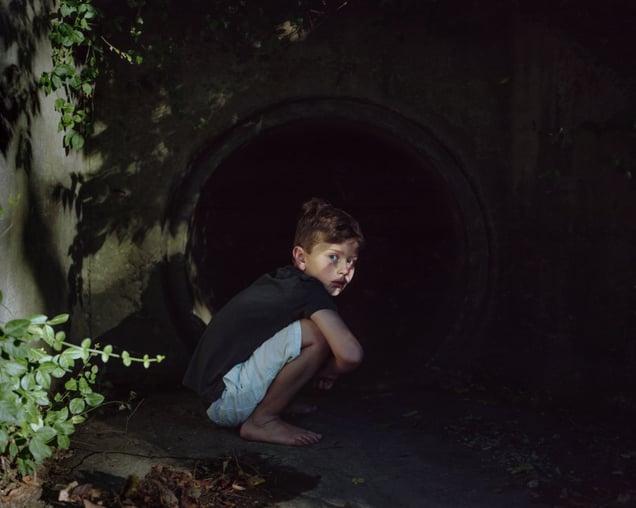
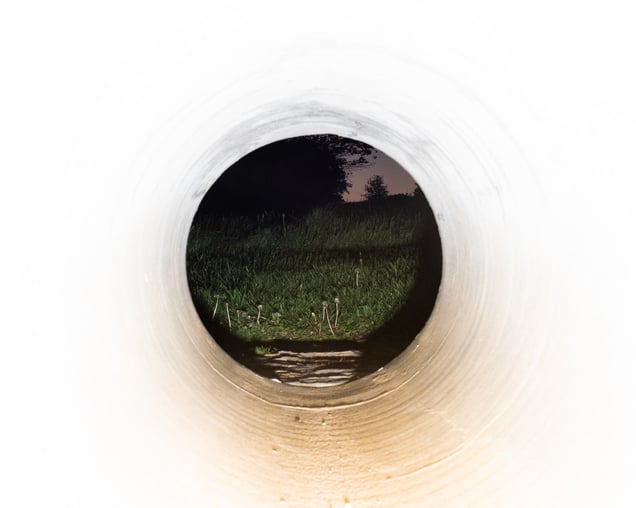
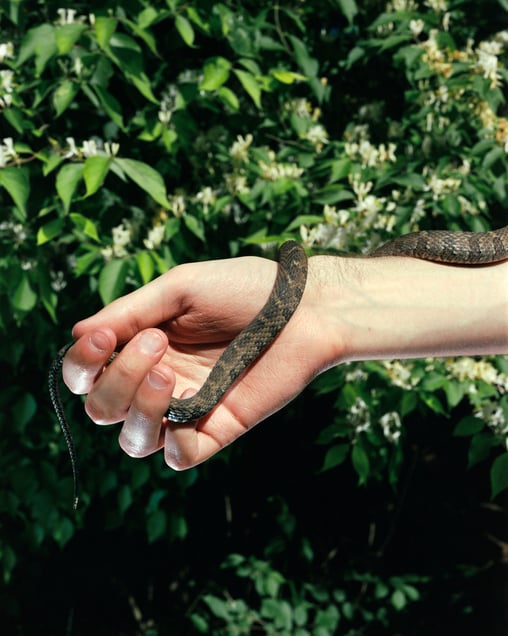
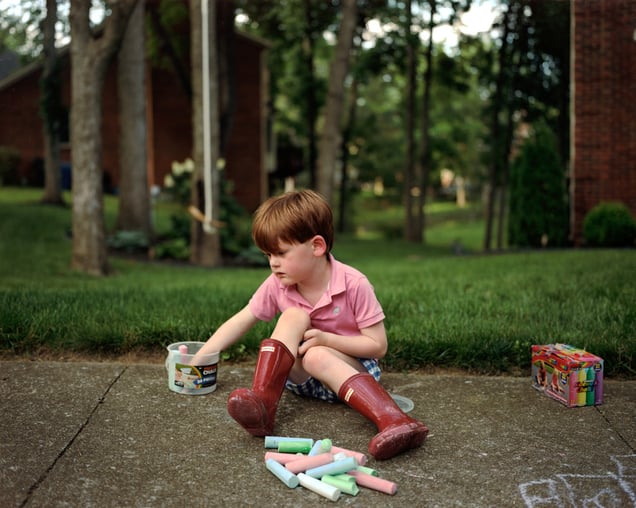
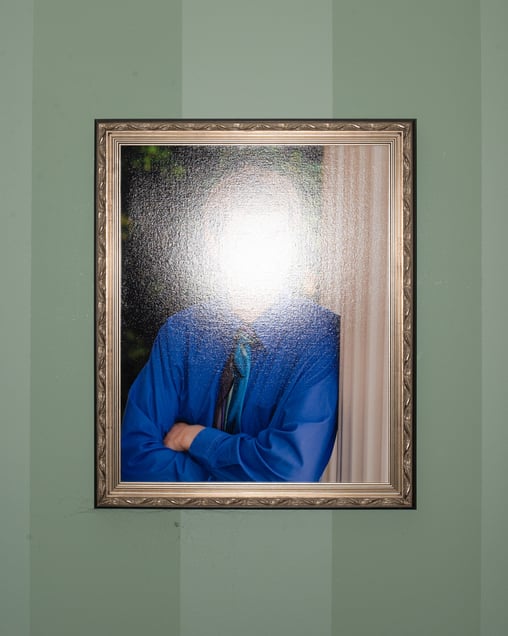
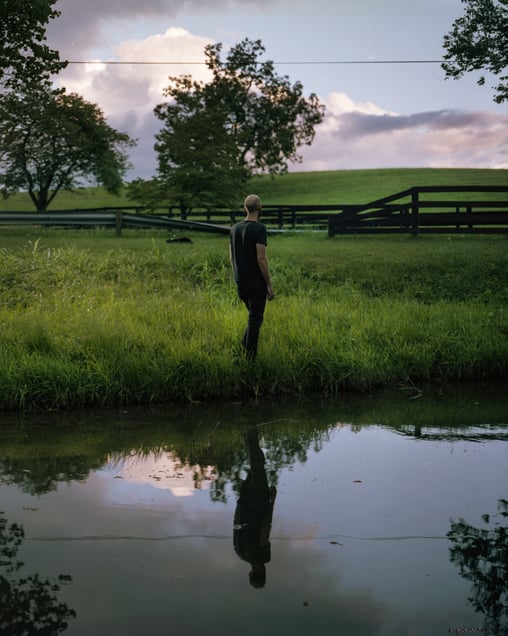
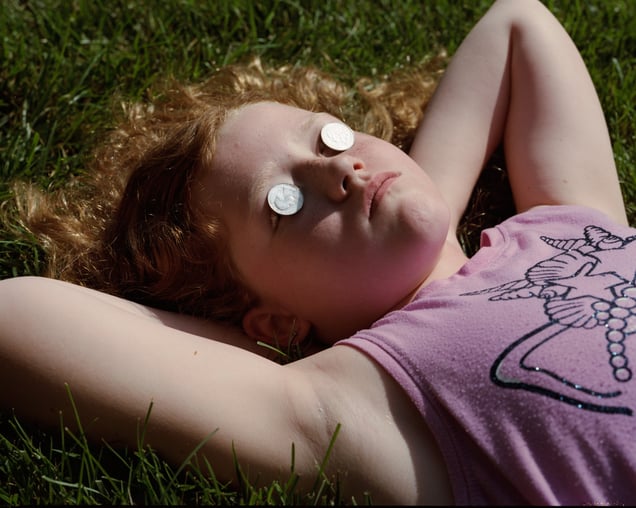
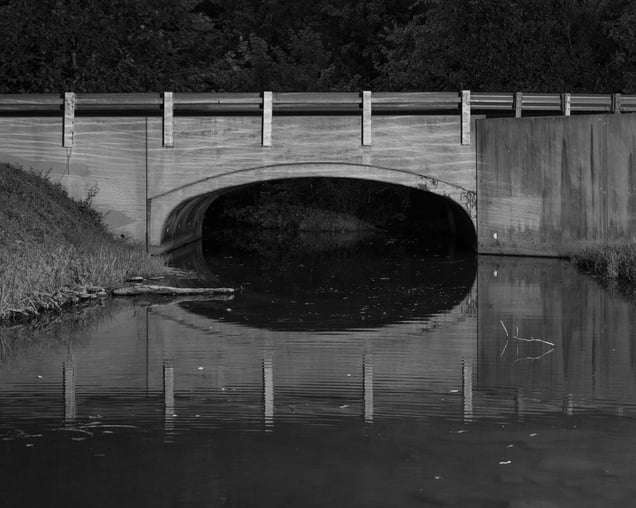
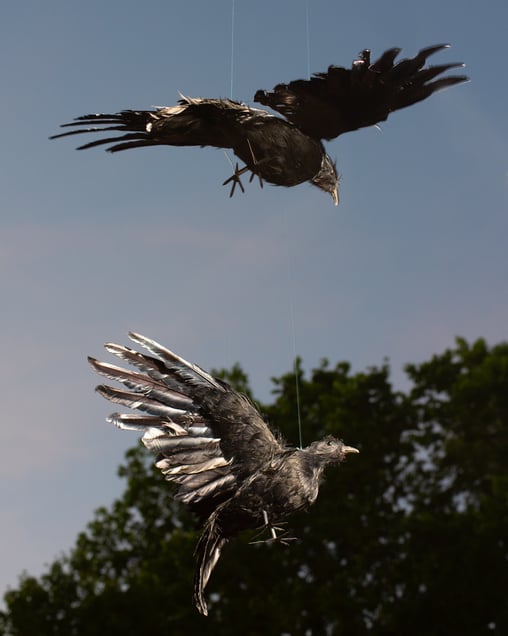
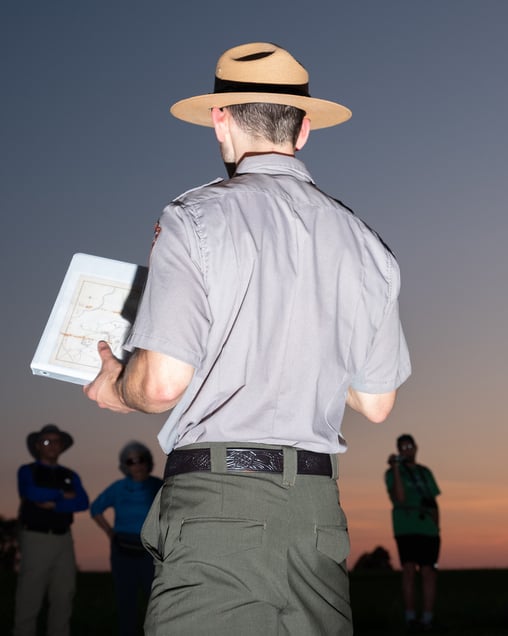
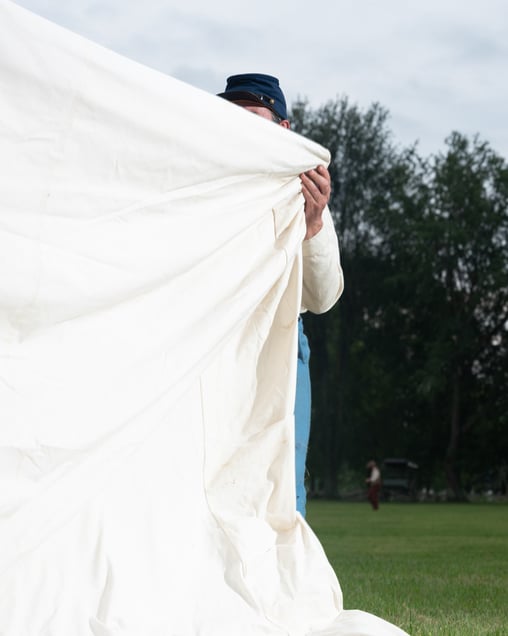
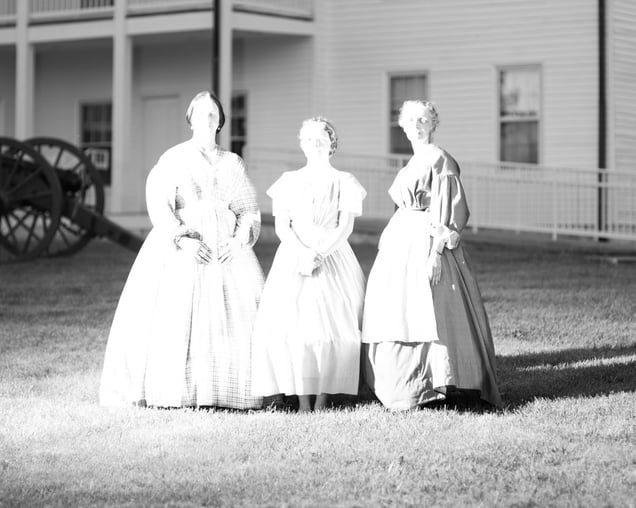
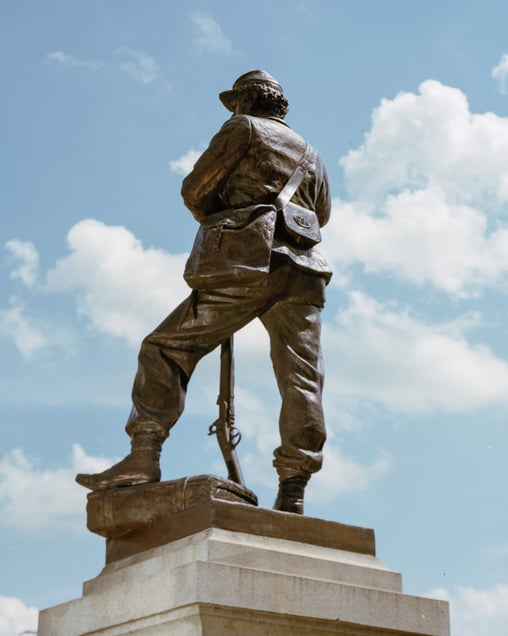
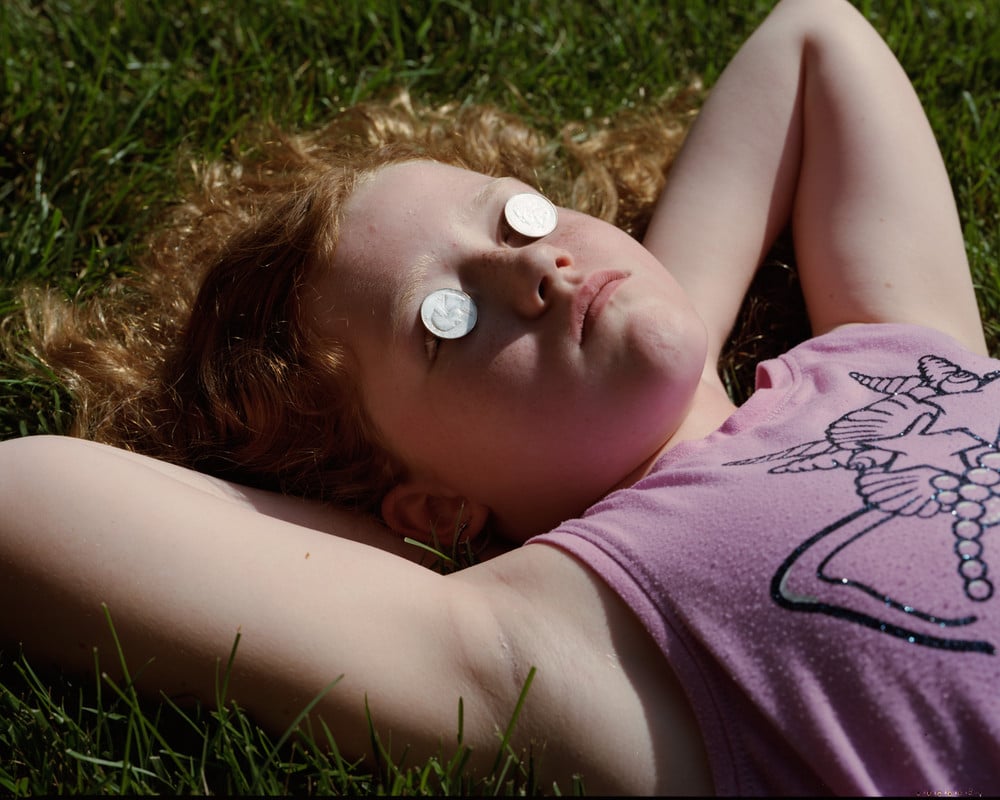
There is a stream trickling through Lexington, KY. Children play in and around it in the summertime. It overflows in storms, and dries up in the sun. The stream starts in a suburban cul-de-sac, as a cemented drainage ditch, and ends at Camp Nelson, a union army depot that operated as a Civil War era refugee and recruitment camp. Here, at the end of this stream, is where slavery ended in the state of Kentucky. Harmless Creek is a photo book about the web of fantasies that compose the American landscape. This project began when my partner’s mother told me the story of when he, as a child, found a snake in the ditch behind their house, and tried to convince her to let him keep it by naming it “Harmless.” This anecdote lodged itself in my brain. Sweet as it was, to my ear, it contained a more sinister undertone. What I heard felt like a metaphor for an American attitude I have come to understand more intimately in the past 10 years, since I immigrated to the US from Brazil: to change something by changing its name, making it harmless by calling it so. Living here, I’ve been often struck by how effective American culture is at convincing itself of its own goodness and innocence. Militarism, patriotism, and the outcomes of the US’s imperial conquests are relentlessly mythologized as harmless and just. That feeling grew as I followed this ditch, the home base of Harmless the snake, and eventually encountered Camp Nelson, a former military base which, during the American Civil War, had been a recruitment site and refugee camp for men escaping slavery and their families. In the years since, I’ve deeply researched the fraught history of the area surrounding this unassuming creek, its picture-perfect, suburban vicinity, and the white American South’s preoccupation with history and tradition. The outcome of this process is a contemplation of how acts of memorialization can themselves work as a form of obfuscation of the traumatic past; how the status quo weaves horrors from history and politics into culture, as apparently harmless images. These visions reincarnate repeatedly in popular songs, vernacular home decor, public attractions, and private fantasies. Forgetting a people’s history necessitates a fantasy to replace what’s been forgotten. This is a book about those fantasies, the unease of believing in them, and where they fray at the edges.
No categories selected
Photos (21)