Lord of the Mangrove
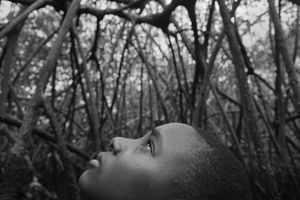
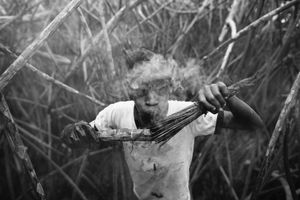
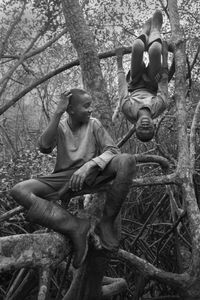
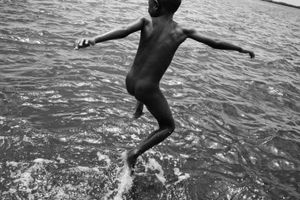
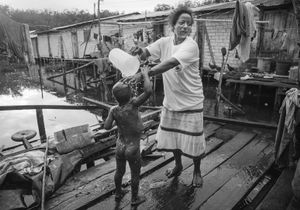
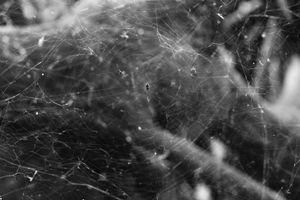
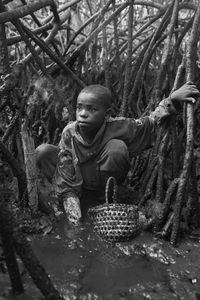
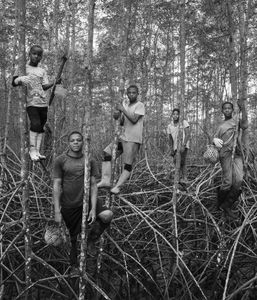
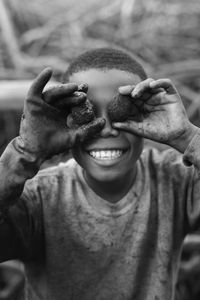
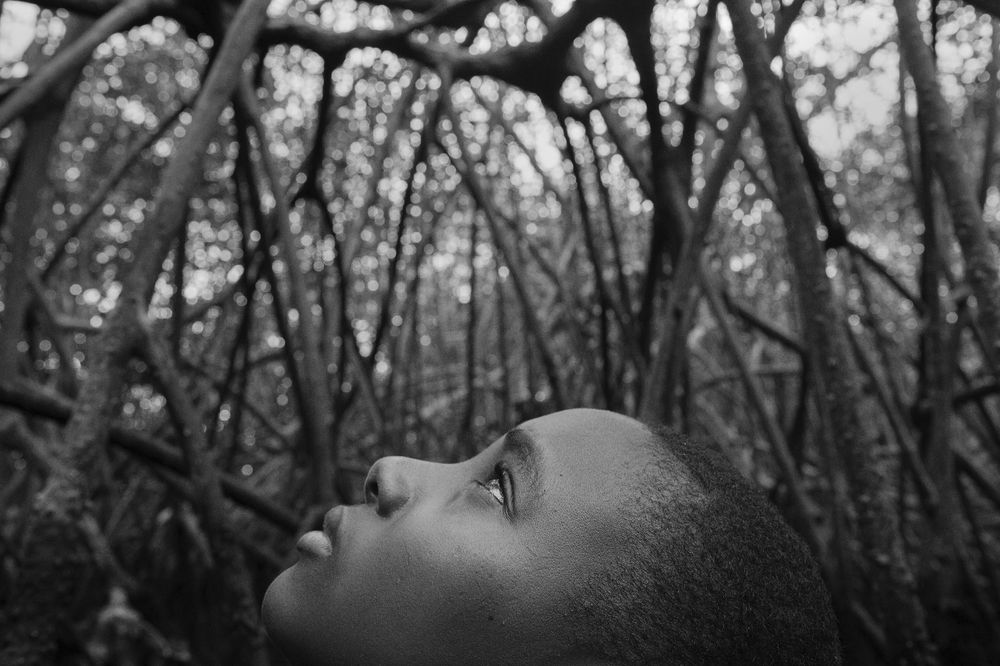
The Cayapas Mataje Mangrove Reserve in Northwestern Ecuador is home to the largest mangrove trees in the world and to afro-ecuadorian communities that rely on gathering black shells as their form of livelihood. The people who gather shells are called concheros. Picking shells is a tremendously arduous task as concheros have to crutch down for hours in knee-deep mud and endure the inclement environment of the mangrove to search in the small crevasses of the buried roots. Even though black shells are a culinary delicacy in Ecuador, shell pickers are only paid 8 cents of a dollar per shell. On average, pickers will find between 50 and 100 shells in a day’s work. In these communities, children as young as 10 years old are expected to pick shells contribute to their families’ income. Most children are good shell-pickers as they are agile and light, allowing them to navigate around the infinite spider web of mangrove roots. Even though community leaders and local authorities encourage children to stay in school, an important number of them drop out of class to become full-time concheros. This portrait series explores the relationship between childhood, manual labor, and this unique ecosystem.
Photos (38)